

 Available in US
Content
The Cash-Out Button Is Designed to Cost You Money
The first time I used cash-out, I felt clever. My accumulator needed one more result to land, the final leg was winning at half-time, and the cash-out offer was sitting at 80% of the potential payout. I took it. The bet went on to win, and I spent the rest of the evening calculating the money I had left on the table. A few weeks later, I cashed out a different bet and it subsequently lost. That time I felt like a genius. The emotional seesaw is the point — the cash-out feature is designed to feel like a tool you control, but the pricing ensures the bookmaker wins on average every time you press the button.
Live football is the most popular format for in-play betting in the UK — 5% of all adults, and 9% of men, have placed a live bet on football. Cash-out sits at the intersection of pre-match and in-play betting, offering the illusion of control over a bet you have already placed. Understanding how the offer is priced is the first step toward making rational decisions about when to accept it and when to let the bet stand.
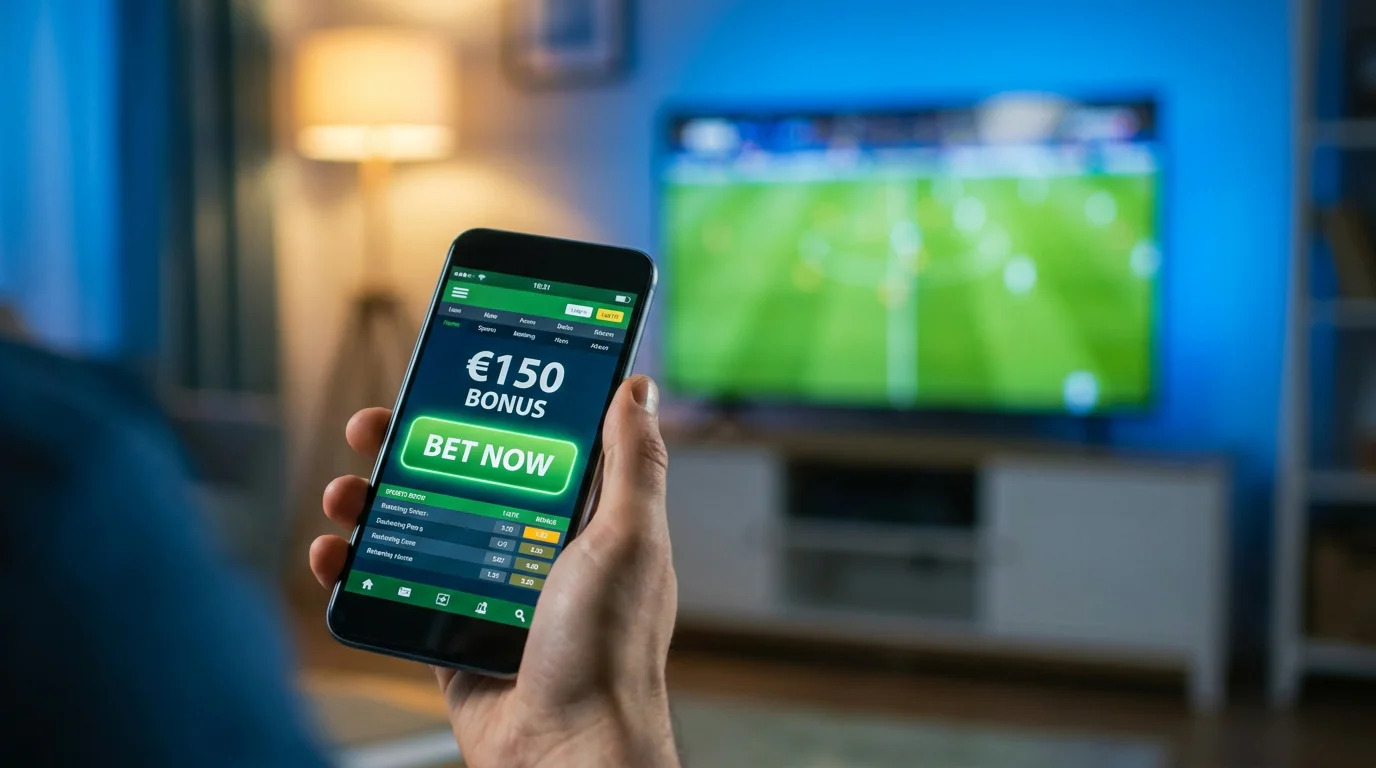
How Bookmakers Price the Cash-Out Offer
The cash-out offer is not a fair valuation of your bet. It is the bookmaker’s current estimate of the bet’s value minus a margin — typically 3-8% shaved off the true value. Think of it as selling your bet back to the bookmaker at a wholesale price while they retain the retail markup.
The mechanics work like this: the bookmaker recalculates the probability of your bet winning based on the current in-play odds, then offers you a payout that reflects those odds minus their cut. If your pre-match bet was on a team to win at 2.50 and they go 1-0 up, the in-play odds might drop to 1.30. The bookmaker calculates the current expected value of your bet at the new odds and offers you slightly less than that figure. The gap between the true expected value and the cash-out offer is the bookmaker’s margin on the transaction.
Ninety-five percent of UK online gambling happens from home, and mobile interfaces are optimised to make cash-out frictionless — a single tap and the money is in your account. That speed is not accidental. The faster you act, the less time you spend calculating whether the offer is fair. Bookmakers know that cash-out decisions are overwhelmingly emotional: punters cash out when they are anxious, not when the maths says they should.
Partial cash-out adds another layer. Instead of closing the entire bet, you can take a portion of the profit while leaving the rest to run. The margin on partial cash-out is the same as on full cash-out — it is not a better deal, just a more flexible one. I use partial cash-out sparingly, and only when the remaining portion of the bet still represents value at the current in-play odds. If the remaining portion is break-even or negative, partial cash-out is just a slower way of accepting a bad price.
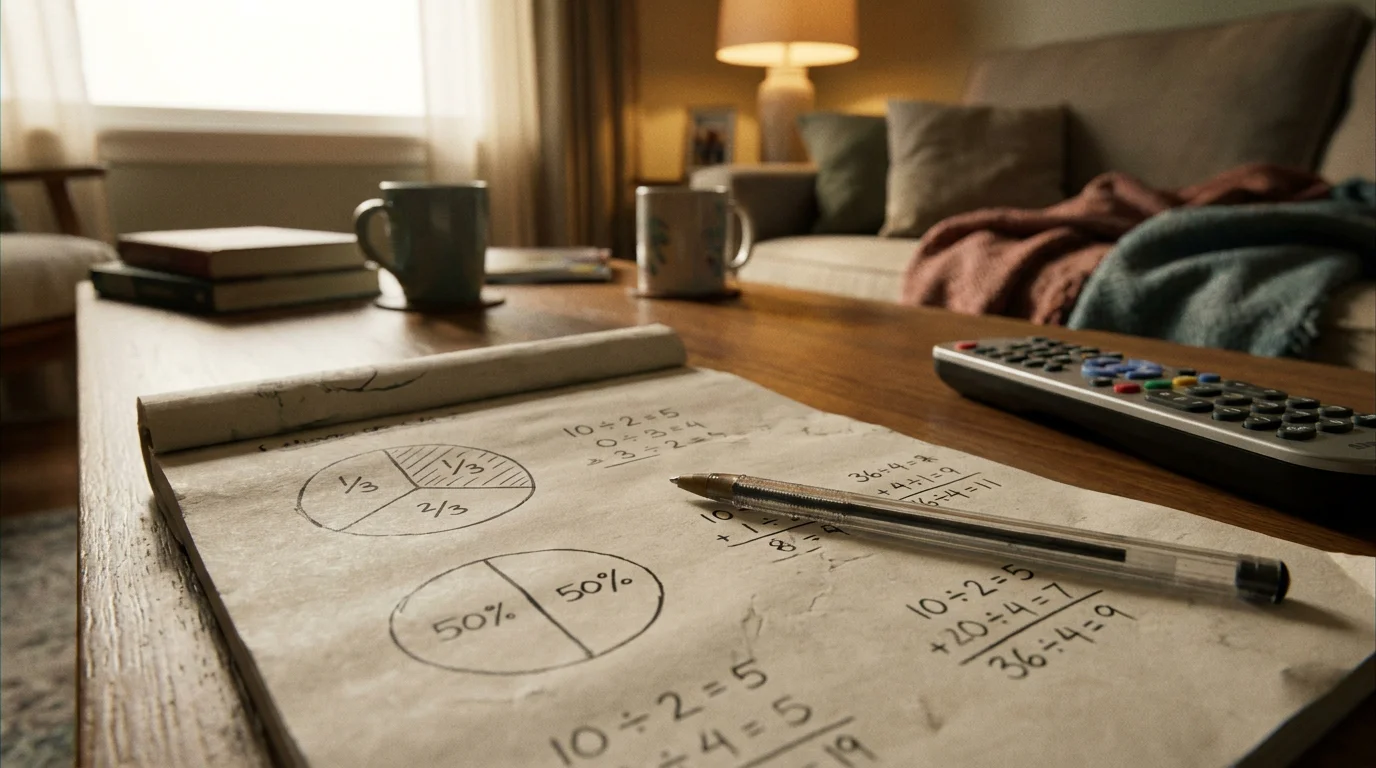
A Three-Question Framework for Every Cash-Out Decision
Rachel Reeves, the Chancellor of the Exchequer, noted in evidence to the Treasury Committee that online gaming and online betting produce more serious harms than in-person betting. The cash-out feature is a prime example of how digital design amplifies impulsive decision-making. To counter that impulse, I use a three-question framework before pressing the button.
Question one: what is the current probability of my bet winning? This requires a genuine assessment, not a feeling. If my pre-match bet was on a team to win and they are 1-0 up with 25 minutes remaining, I estimate the probability at roughly 80-85% based on historical data for similar match states. If they are 1-0 up with 70 minutes remaining, the probability is lower — perhaps 60-65%. The cash-out offer should reflect this probability minus the bookmaker’s margin.
Question two: does the cash-out offer exceed the expected value of letting the bet ride? The expected value of letting the bet stand is the potential payout multiplied by the probability of winning. If the potential payout is £100 and the probability of winning is 80%, the expected value is £80. If the cash-out offer is £72, I am giving up £8 of expected value by cashing out. Unless I have a specific reason to accept that cost — bankroll protection, information that the probability has shifted since I checked — the maths says let it ride.
Question three: has anything changed since I placed the bet that my probability estimate does not capture? A red card, a key injury, a tactical substitution, a change in weather conditions — these are legitimate reasons to revise your probability downward and consider cashing out even if the offer is below theoretical expected value. If nothing has changed, the cash-out impulse is emotional, not analytical.
The framework is not foolproof. I still cash out bets I should have let run, and I still let bets run that I should have cashed out. But the three questions add a speed bump between the impulse and the action, and that speed bump saves me money over the course of a season. The key insight is that cash-out is not a betting strategy — it is a risk management tool that costs money to use. Use it deliberately and infrequently, not as a reflex. For more on managing the live betting environment where cash-out decisions arise, the in-play betting guide covers odds movement and timing in detail.

Do bookmakers profit from every cash-out offer?
In aggregate, yes. The cash-out price is always set below the true expected value of the bet at that moment. The gap is typically 3-8%, meaning on average the bookmaker profits from the feature. Individual bets may go either way — sometimes cashing out saves you from a losing bet, sometimes it costs you a winning one — but over a large sample, the bookmaker’s margin on cash-out ensures they come out ahead.
Is partial cash-out better than full cash-out?
Not inherently. The margin charged on partial cash-out is the same as on full cash-out. Partial cash-out is useful when you want to lock in some profit while leaving a portion of the bet exposed to an outcome you still believe in. But it should be a deliberate analytical choice, not a compromise born of indecision. If the full cash-out offer does not represent value, partial cash-out does not either — it just spreads the same bad deal across two outcomes.
