

 Available in US
Content
One in Eight Amateur Footballers Is a Problem Gambler
Most conversations about gambling and football focus on the Premier League – the shirt sponsors, the television adverts, the half-time betting promotions. I was guilty of this too until I came across a piece of research that shifted my perspective entirely. A study by the University of Bristol found that 13% of adult grassroots footballers in England meet the criteria for problem gambling. That is five times the rate found in the general adult population, where the figure sits at roughly 2.5%. Among male grassroots players, the rate climbs to 16.4%.
These are not professional athletes with six-figure salaries and access to club welfare support. These are Sunday league players, five-a-side regulars, and county league defenders who work in offices, on building sites, and in warehouses during the week. They play for fun, socialise with teammates after the match, and exist in an environment where betting is woven into the fabric of the culture – the pre-match acca in the group chat, the half-time scores check, the cash-out debate on the drive home.
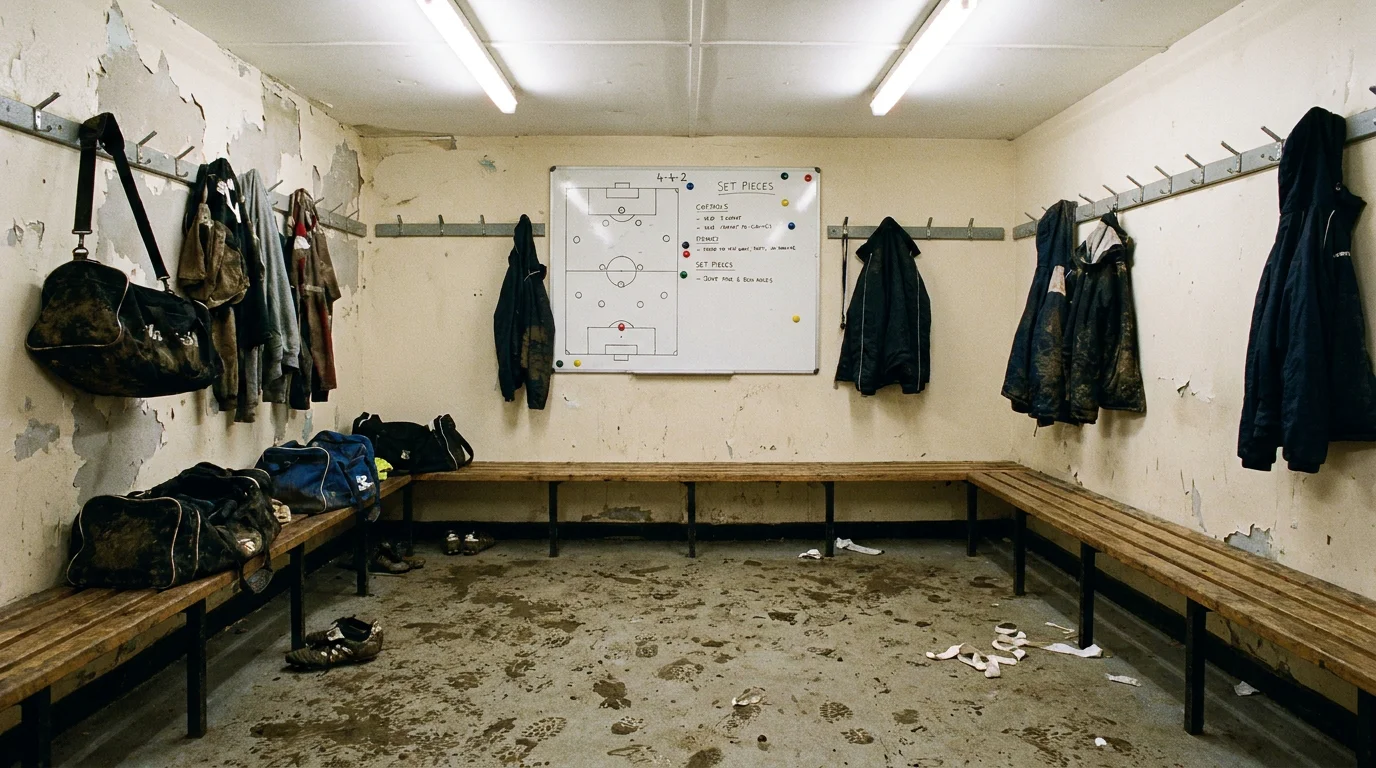
Dr Maria Moxey, the lead researcher at Bristol, described it as a massive problem falling largely under the radar. The connection between professional football and gambling is widely reported, but her study was the first to examine it at the grassroots level nationally. The findings suggest the problem is far more pervasive than anyone in the sport had previously acknowledged.

What the University of Bristol Study Revealed
The Bristol study surveyed players across grassroots football in England, covering adult leagues and youth participation. The headline numbers are stark enough, but the detail underneath tells a more troubling story.
Beyond the 13% who met problem gambling criteria, a further 70% of grassroots footballers were classified as “at risk” of gambling-related harm. In the general population, that at-risk figure is around 15%. The gap is enormous. It means that within a typical grassroots football squad of sixteen players, roughly eleven are experiencing some level of gambling-related risk, and two are dealing with a full-blown problem.
The youth data is particularly concerning. Twenty-two percent of participants aged 11 to 15 reported gambling in the previous month. These are children playing junior football in a culture saturated with betting references – from the branded LED boards they see when watching professional matches to the casual betting chat among older teammates and coaches.
The study identified several environmental factors that amplify the risk within grassroots football. The social nature of team sport creates peer pressure to participate in group betting activities – the pre-match acca in the WhatsApp group, the half-time banter about who is winning their bet, the post-match post-mortem of what went wrong with the five-fold. Opting out of that shared activity feels like opting out of the social fabric of the team itself. The competitive mindset that drives athletes on the pitch transfers to betting, where the desire to “win” overrides rational bankroll management. And the post-match pub culture – integral to grassroots football in England – places players in environments where gambling is normalised, accessible, and actively encouraged through pub-based betting terminals and mobile apps.

What struck me hardest about the research was how invisible the problem is. Nobody screens grassroots footballers for gambling harm. No FA charter standard requirement addresses it. No league welfare officer is trained to spot it. The players suffering most are doing so in silence, in a setting where admitting to a gambling problem feels like admitting to weakness in front of the very people whose respect matters most.

Support, Awareness and What Clubs Can Do
I am not a campaigner, and this is not a campaigning site. But I write about football betting for a living, which means I have a responsibility to acknowledge the harm that exists alongside the analytical interest. If you are reading this as someone involved in grassroots football – as a player, coach, or club official – there are practical steps that do not require special training or resources.
Awareness is the starting point. Most grassroots clubs have never discussed gambling harm in any formal way. Simply raising the topic – in a pre-season meeting, a committee discussion, or a conversation with the county FA – normalises it as something worth talking about. The Bristol research provides a credible, data-driven starting point for that conversation.
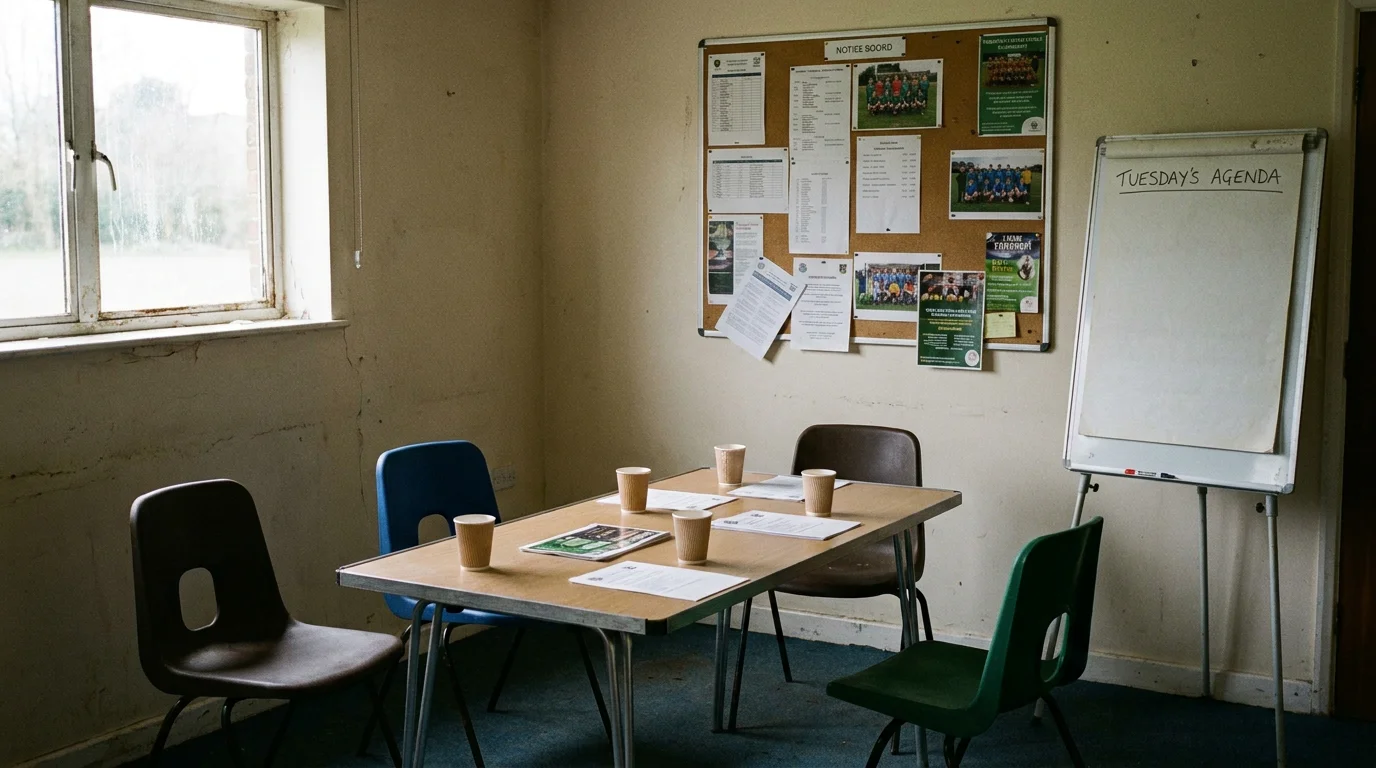
Clubs can also make information about support services visible without singling anyone out. A poster in the changing room with the National Gambling Helpline number, a link to GamStop on the club website, or a brief mention in the new player welcome pack – these are low-effort actions that signal the club takes welfare seriously.
For individual players, the most important step is honest self-assessment. If you are betting more than you can afford, if you are chasing losses, if you are hiding bets from your partner, or if the first thing you check on a Saturday morning is your accumulator rather than the weather for the match, those are warning signs worth paying attention to. I have seen talented grassroots players lose their cars, their relationships, and in one case their housing because betting spiralled from a social hobby into an uncontrollable compulsion. The trajectory from fun to harm is shorter than anyone expects, and the signs are easier to see from outside than from within.
The tools available – deposit limits, self-exclusion, cooling-off periods – exist because they work, and using them is not a sign of failure. It is the smartest bet you will ever place.
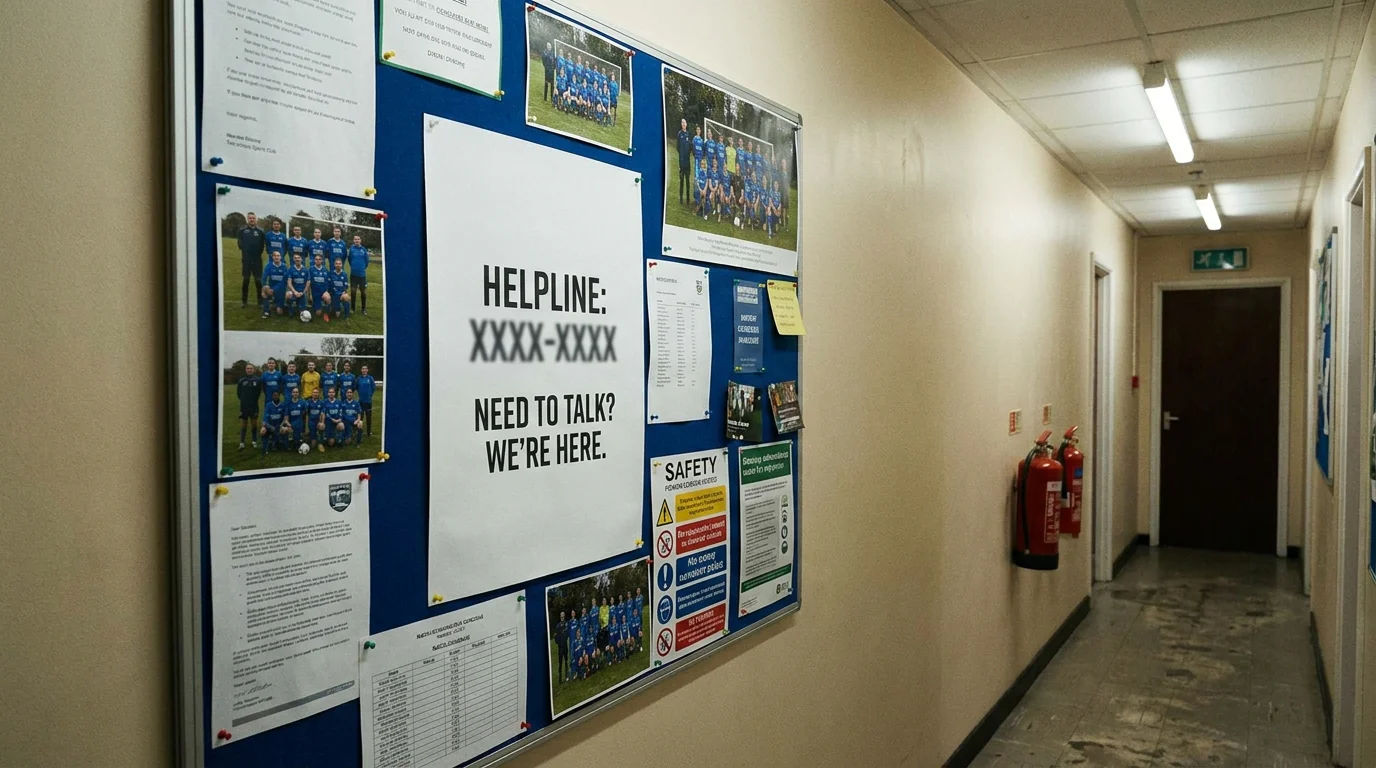
The responsible gambling landscape in the UK offers more practical resources than most people realise. For a detailed walkthrough of the tools available, the responsible gambling guide covers deposit limits, time-outs, GamStop, and self-assessment in depth.
Why are grassroots footballers more vulnerable to gambling harm?
The combination of competitive personality traits, team-based social pressure to participate in group betting, post-match pub culture with easy access to betting apps and terminals, and a lack of welfare screening or support structures creates an environment where gambling behaviours escalate more quickly and with less intervention than in the general population. The Bristol study found rates of problem gambling five times higher among grassroots players than in the wider adult population.
Where can amateur football players get help for gambling problems?
The National Gambling Helpline provides free, confidential support and can be reached by phone or online chat. GamStop allows self-exclusion from all UK-licensed gambling sites for a chosen period. Many local authorities also fund gambling support services that offer face-to-face counselling. For players who want to limit their betting without full exclusion, every UK-licensed bookmaker is required to offer deposit limits, loss limits, and cooling-off periods through their account settings.
