
 Available in US
Content
Bookmaker or Exchange: Two Very Different Models
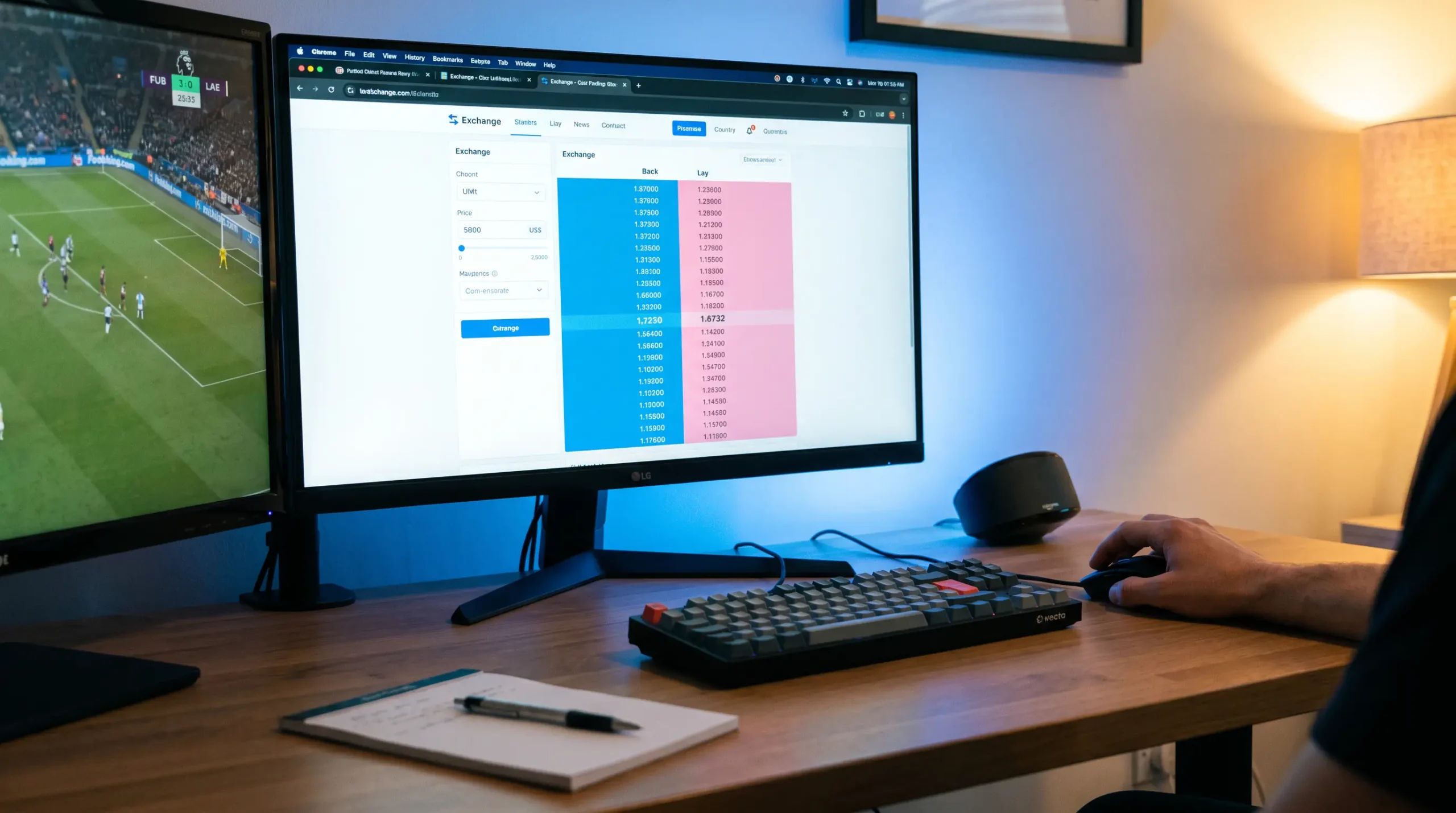
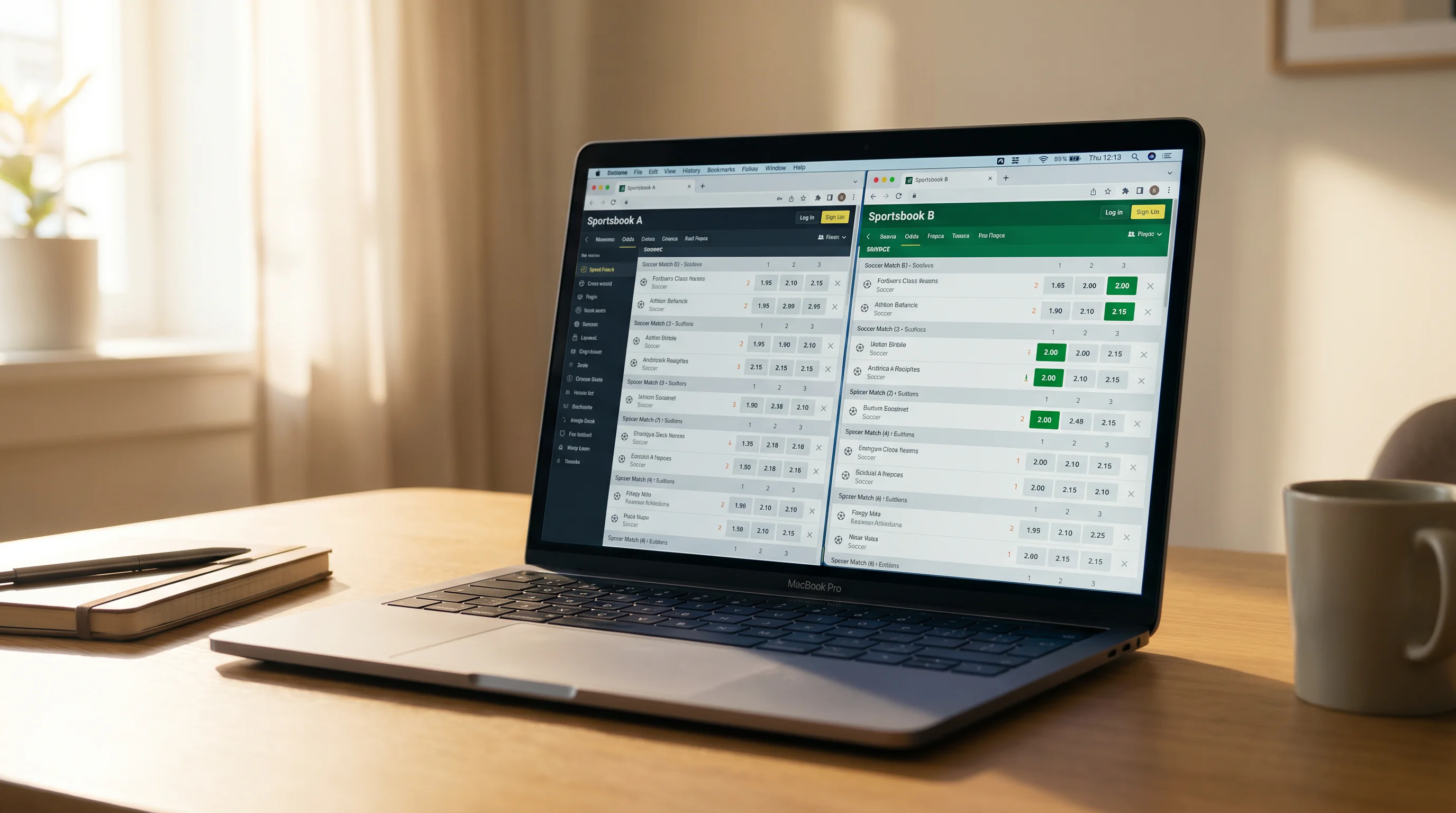
I placed my first exchange bet in 2018 after years of using traditional bookmakers, and the difference hit me immediately: the odds were better. Not marginally better — noticeably better. The three-way match result on a Premier League fixture that weekend had an effective overround of 1.8% on the exchange compared with 4.5% at the bookmaker I normally used. That gap was real money, and it had been sitting there the whole time while I ignored exchanges because they seemed complicated.
The fundamental difference is structural. A traditional bookmaker sets the odds, takes your bet, and profits from the margin built into every price. The margin on football markets typically runs between 4% and 7%. An exchange does not set odds at all — it provides a platform where bettors trade against each other. You can back an outcome (bet that it will happen) or lay an outcome (bet that it will not happen). The exchange takes a commission on winning bets, usually 2-5% of net profit, rather than embedding a margin in the odds. The result: tighter prices and a fundamentally different relationship between you and the platform.
With 290 million online bets placed monthly in the UK, the exchange model accounts for a significant minority of that volume — concentrated on the most popular football fixtures where liquidity is deepest. Understanding when to use an exchange and when to stick with a bookmaker is one of the most overlooked edges available to UK football bettors.
How Back and Lay Bets Work on an Exchange
Back bets on an exchange work identically to bets with a bookmaker: you stake money on an outcome at stated odds. If the outcome occurs, you win. The difference is that the odds are set by the market — other exchange users offering to lay that outcome — rather than by the bookmaker’s pricing model.
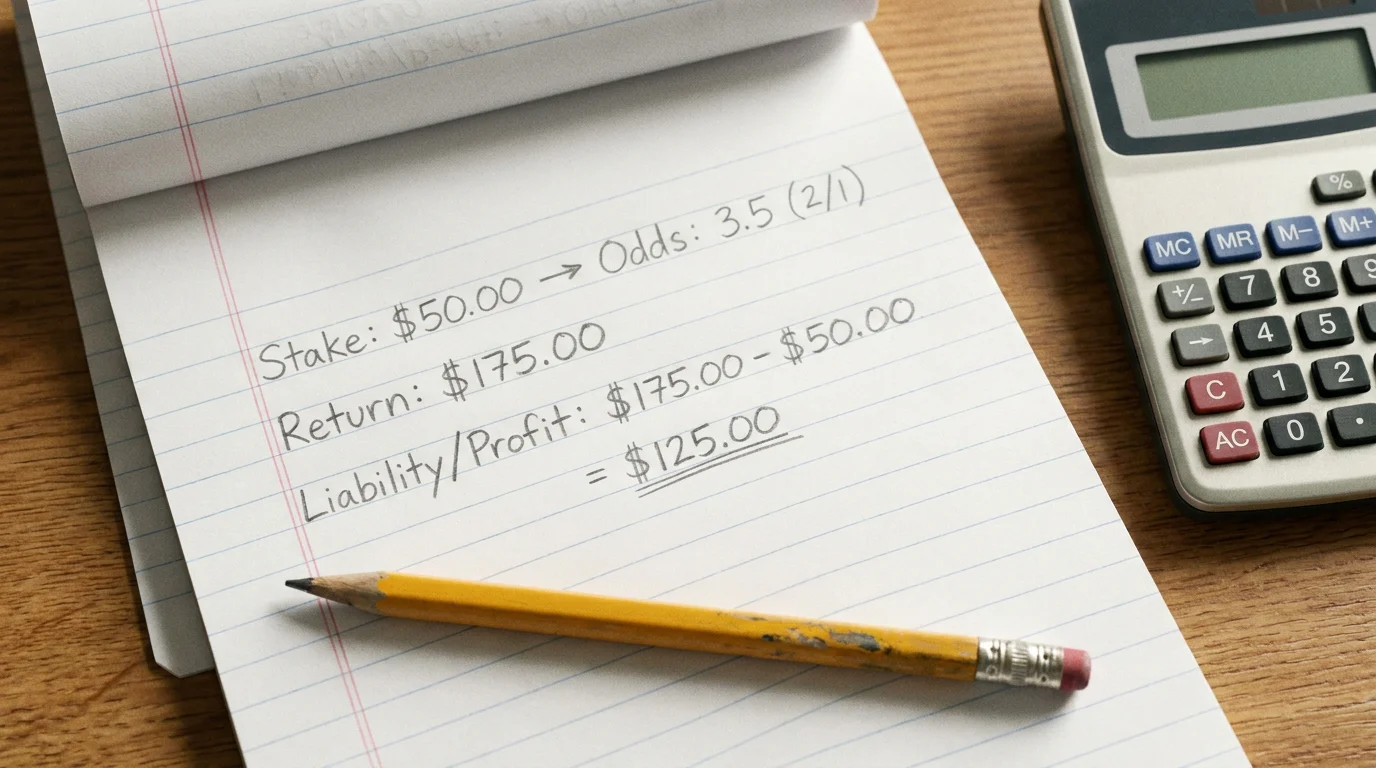
Lay bets are the exchange’s unique proposition. When you lay an outcome, you are betting that it will not happen. You are effectively taking the bookmaker’s role. If someone wants to back a home win at 3.00 with a £10 stake, you can lay that bet. If the home team fails to win, you collect the £10 stake. If they do win, you pay out £20 (the £10 stake multiplied by odds of 3.00, minus the original stake). Your liability on a lay bet is always the potential payout minus the backer’s stake — in this case, £20.
This two-sided market is what produces tighter odds. On a bookmaker site, the operator sets all three prices in a match result market and builds their margin into each one. On an exchange, the prices are set by the equilibrium of back and lay offers from thousands of participants. Competition between those participants pushes the effective overround down, often to 1-3% on Premier League fixtures compared with 4-7% at a traditional bookmaker.
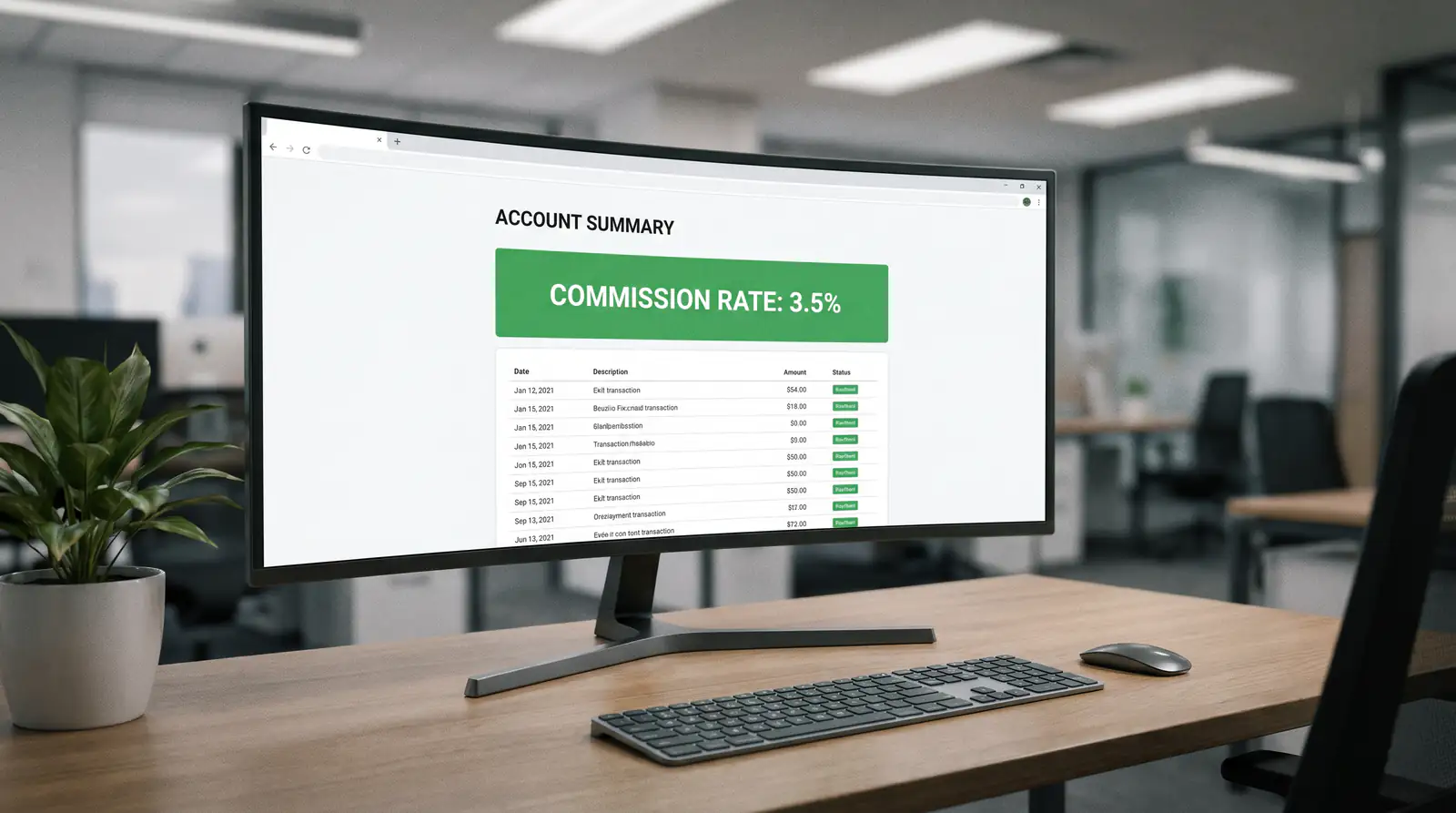
Commission is the exchange’s revenue model. Typical rates run from 2% on the most competitive platforms to 5% on others, charged on net winnings per market. If you win £100 on a back bet and the commission rate is 2%, you keep £98. If you win £50 and lose £30 on the same market event, commission applies to the net profit of £20 — you pay £0.40 and keep £19.60. Over a season, the commission drag is real but substantially lower than the margin embedded in bookmaker odds.
Better Odds, But Fewer Markets: The Trade-Offs
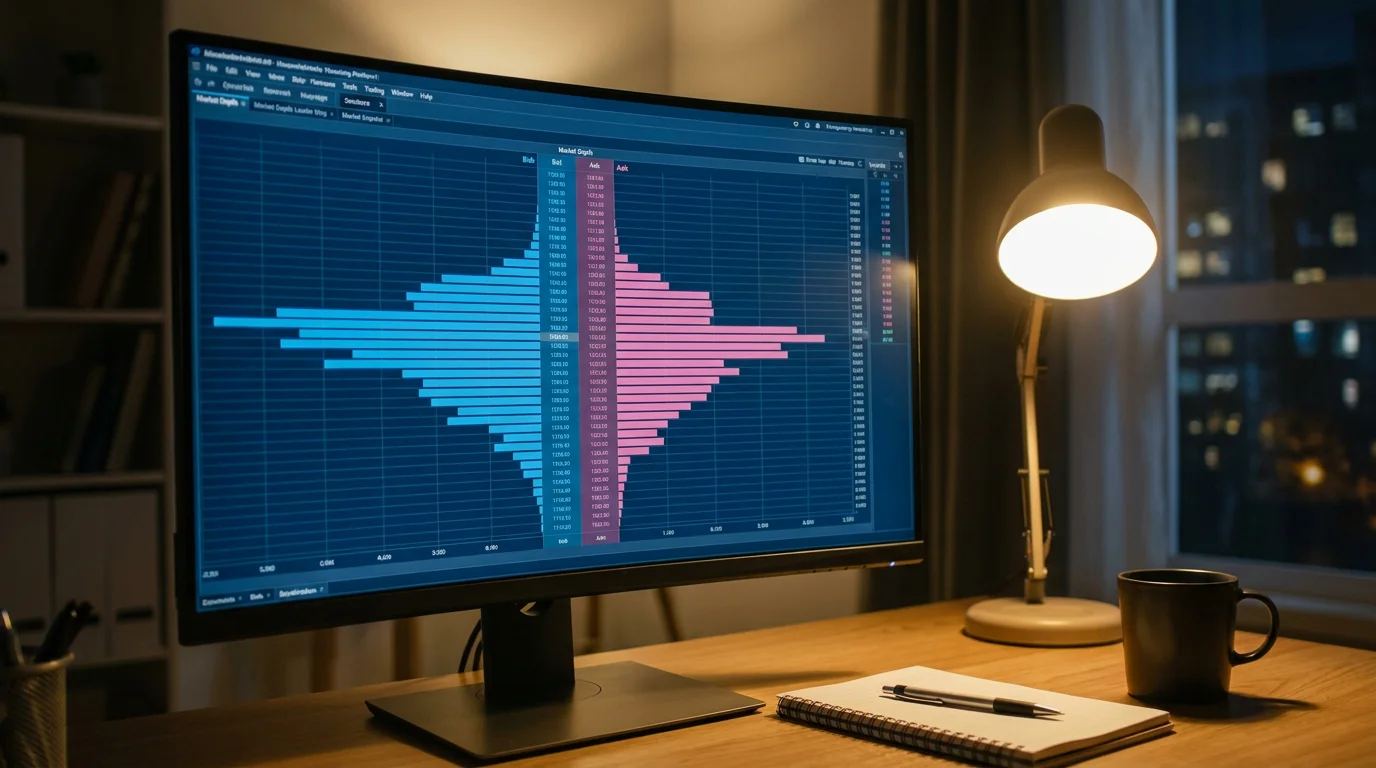
If exchange odds are better, why does not everyone use them? The answer is liquidity. Exchange markets depend on participants on both sides. A Premier League match between two top-six sides will have deep liquidity — you can back or lay thousands of pounds at tight spreads. A League One Tuesday night match may have £200 available on the match result and nothing at all on BTTS or totals.
My rule for deciding between exchange and bookmaker is straightforward. For Premier League and Champions League match result and Asian handicap bets, I check the exchange first and use it whenever the available odds beat the best bookmaker price after commission. For lower-league fixtures, I default to the bookmaker because the exchange liquidity is too thin to get matched reliably at the price I want.
Player markets, bet builders, and exotic props are almost exclusively bookmaker products. Exchanges do not offer bet builders, and player-level markets have minimal liquidity outside the very biggest fixtures. If your betting approach relies heavily on these markets, the exchange is a complement rather than a replacement.
One underrated advantage of exchanges is the ability to trade out of positions. Because you can both back and lay on the same market, you can lock in a profit before the event concludes — similar to cash-out, but at market-determined prices rather than the bookmaker’s marked-up offer. If you back a team at 3.00 before the match and they go 1-0 up, you can lay them at 1.50 on the exchange to guarantee a profit regardless of the final result. The exchange does not charge a cash-out margin; you simply pay commission on the net winning. This trading capability is the single biggest practical advantage exchanges offer over traditional bookmakers.
The final consideration is account restrictions. Traditional bookmakers can and do restrict or close the accounts of winning bettors. Exchanges generally do not, because they profit from commission regardless of which side wins. If you are a consistent winner and have experienced account restrictions at bookmakers, the exchange is not just an alternative — it may be the only viable long-term platform for your betting. For a deeper understanding of how the bookmaker’s margin affects your odds in the first place, the margin calculation guide provides the worked examples.

Can I use a betting exchange for football accumulators?
Most exchanges do not offer traditional accumulators in the way bookmakers do. You can place individual bets on multiple markets, but they are settled independently rather than combined into a single multi-leg bet. Some exchanges offer a basic accumulator feature on selected markets, but the liquidity is typically thin and the range of available legs is narrower than at a bookmaker. For accumulators, bookmakers remain the more practical option.
What commission do football betting exchanges charge?
Commission rates typically range from 2% to 5% of net winnings per market, depending on the platform and your activity level. Some exchanges offer reduced commission for high-volume users. The commission is charged only on net profit — if you lose on a market, you pay no commission. Over a season, the total commission cost is substantially lower than the cumulative margin you would pay through bookmaker odds on the same bets.
