
 Available in US
Content
Your Pocket Bookmaker: Convenient by Design, Risky by Default
I placed my first mobile football bet in 2014, sitting in the stands at a League One match, backing the home side to score next while watching them dominate the second half. The bet won, the convenience felt magical, and I immediately understood why the industry was investing billions in mobile. Ninety-five percent of online gambling in the UK now happens from home, and a significant portion of that is on phones and tablets. Among mobile bettors, 32% are aged 18 to 24 – the generation that grew up with a bookmaker in their pocket.
That convenience is a double-edged sword. The same technology that lets you place a well-researched bet at the optimal moment also lets you place a reckless one at 2am after a bad evening. Mobile betting apps are not neutral tools – they are designed to maximise engagement, and some of their design choices actively work against disciplined betting. Understanding which features help your process and which ones undermine it is essential if your phone is your primary betting platform.
The most active betting demographic in the UK is the 25-to-34 age group, with 87% reporting that they bet or gamble at least monthly. That cohort lives on mobile, and the apps they use shape their betting behaviour in ways that most users never consciously recognise.
In-App Odds Comparison, Live Stats and Bet-Tracking Tools
Not everything about betting apps is designed to separate you from your money. Some features genuinely improve the quality of your decision-making, and learning to use them is part of becoming a more effective bettor.
In-app live stats have improved dramatically in the last three years. Most major UK betting apps now show possession, shots, shots on target, corners, and cards in real time during a match. For in-play bettors, this data stream is valuable – it lets you assess whether the live odds reflect what is actually happening on the pitch or whether they are lagging behind the action. I have found genuine edges in live markets where the app’s own stats contradicted the odds being offered, particularly in corners and booking points markets where the pricing algorithm updates more slowly than the match data.
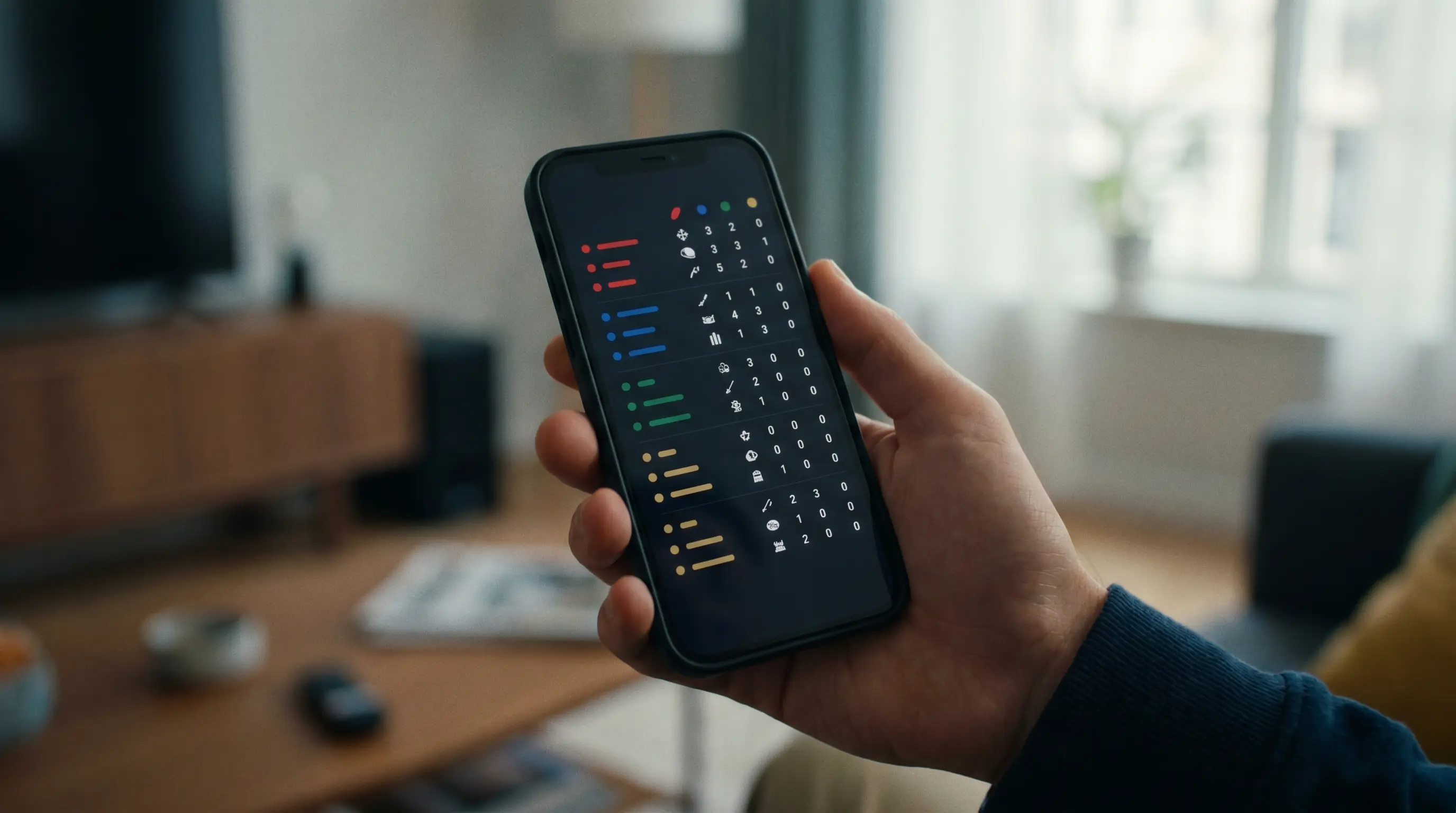
Some apps also offer built-in bet-tracking features that log your history, calculate your profit and loss, and show your performance across different sports and markets. These tools are useful but incomplete – they only track bets placed with that specific bookmaker, so if you bet across multiple platforms, you still need your own spreadsheet. But for recreational bettors who use a single app, the built-in tracker provides a reality check that many people would otherwise never see. Looking at your monthly P&L in cold numbers, rather than remembering only the winners, is one of the most effective behavioural interventions available.
Price boost notifications are a grey area. Some apps alert you to enhanced odds on specific matches, and occasionally these boosts offer genuine value – a price that is higher than the fair probability warrants. More often, the boost is on a market with a very high margin, and the “enhanced” price is still worse than the unbooted price at a rival bookmaker. Treat boost notifications as a prompt to check the price against the wider market, not as a reason to bet.

Push Notifications, One-Tap Bets and Deposit Speed: The Dark Patterns
Here is where the app design works against you, and it does so deliberately. Every major betting app employs behavioural design techniques borrowed from social media and gaming – techniques whose entire purpose is to increase the frequency and speed of your betting.
Push notifications are the most intrusive. A typical betting app sends notifications about upcoming matches, in-play markets, cash-out opportunities, and promotional offers. Each notification is a prompt to open the app and consider placing a bet. Over the course of a busy football weekend, a single app might send ten to fifteen notifications – each one interrupting whatever you are doing and pulling your attention toward a betting decision you had not planned to make. I turned off all betting app notifications three years ago, and my discipline improved immediately. The bets I do not place because I was not prompted to think about them are the bets that would have lost.

One-tap betting is the second dark pattern. Some apps allow you to place a bet with a single tap from the match overview screen, bypassing the bet slip review step entirely. The friction of reviewing your bet slip – seeing the stake, the odds, and the potential return laid out before you confirm – is a valuable pause point. It gives your analytical brain a moment to override your impulsive brain. Removing that friction, as one-tap betting does, is good for the bookmaker’s volume and bad for your bankroll.

Deposit speed is the third. Every major UK betting app lets you deposit funds instantly via debit card or bank transfer. The absence of any delay between wanting to bet and being able to bet means there is no cooling-off period for impulsive decisions. Some bettors have found it helpful to use a separate bank account for betting funds, adding a manual step to the deposit process that creates a natural pause. It is not a technological solution – it is a behavioural one, and it works.
The tools to counteract these dark patterns already exist within the apps themselves – deposit limits, session time reminders, reality checks, and self-exclusion options. The challenge is that these protective features are buried in settings menus while the engagement features are front and centre on the home screen. For a detailed walkthrough of every protective tool available to UK bettors, the responsible gambling guide covers them all.
Do mobile betting apps offer worse odds than desktop?
No, the odds are identical across mobile and desktop platforms for all major UK bookmakers. The pricing engine is the same regardless of the device you use. Where mobile can disadvantage you is in the speed of decision-making – smaller screens, push notifications, and one-tap betting encourage faster, less considered bets. The odds are not worse, but the environment makes it easier to bet poorly.
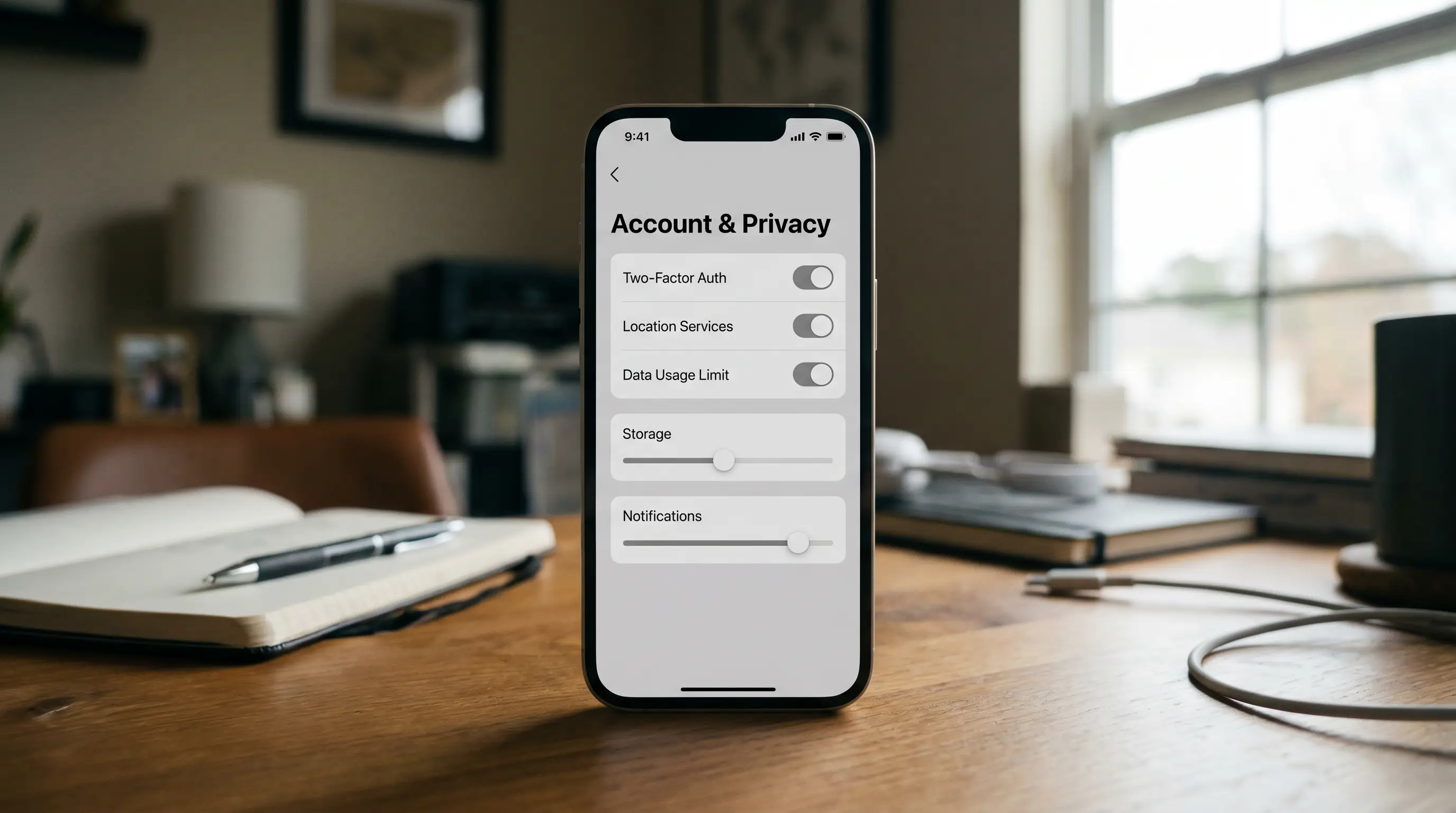
How do I disable push-notification betting prompts?
On both iOS and Android, you can disable notifications for individual apps through your device settings. Go to Settings, find the betting app, and turn off all notifications. Alternatively, most betting apps allow you to manage notification preferences within the app itself, usually under Account or Settings. I recommend turning off all notifications except withdrawal confirmations and responsible gambling reminders, which are the only ones that serve your interests rather than the bookmaker’s.
