

 Available in US
Content
Placing Your First Bet Without Getting Burned
My first football bet was a five-fold accumulator on a Saturday afternoon in 2016. I had no idea what I was doing, picked five teams I liked, and lost the whole thing when the fourth leg went down to a 92nd-minute equaliser. I did everything wrong — too many legs, no research, emotional selections — and I suspect most beginners start in a similar place. Nearly half the adult population of the UK participates in some form of gambling, so if you are reading this, you are far from alone in wanting to understand how football betting actually works before wading in.
This guide is the one I wish I had read before placing that first bet. No jargon, no upselling, no pretence that you will get rich. Just the practical steps to go from opening an account to placing a bet you have actually thought about.

From Account to First Bet: A Step-by-Step Walkthrough
Opening a betting account in the UK takes about ten minutes. You will need to be 18 or over, provide identification documents for verification, and deposit funds using a debit card or bank transfer. Credit card gambling has been banned in the UK since 2020, so that option is off the table.
Once your account is verified, resist the urge to bet immediately. The first thing I recommend is navigating to the football section and simply browsing the available markets for a fixture you know something about. You will see match result (home, draw, away), both teams to score, over/under goals, correct score, and dozens more. Start with the match result — it is the simplest market and the one where your football knowledge is most directly applicable.
Ninety-five percent of online gambling in the UK happens from home, and 32% of mobile bettors are aged 18-24. The accessibility of mobile betting is both its appeal and its danger. Before you place that first bet, set a deposit limit. Every licensed UK bookmaker is required to offer this feature. Decide on a weekly or monthly amount you can afford to lose entirely — not a stretch figure, not your rent money — and lock it in. This single step, taken before your first bet rather than after your first losing streak, is the most important piece of advice in this article.
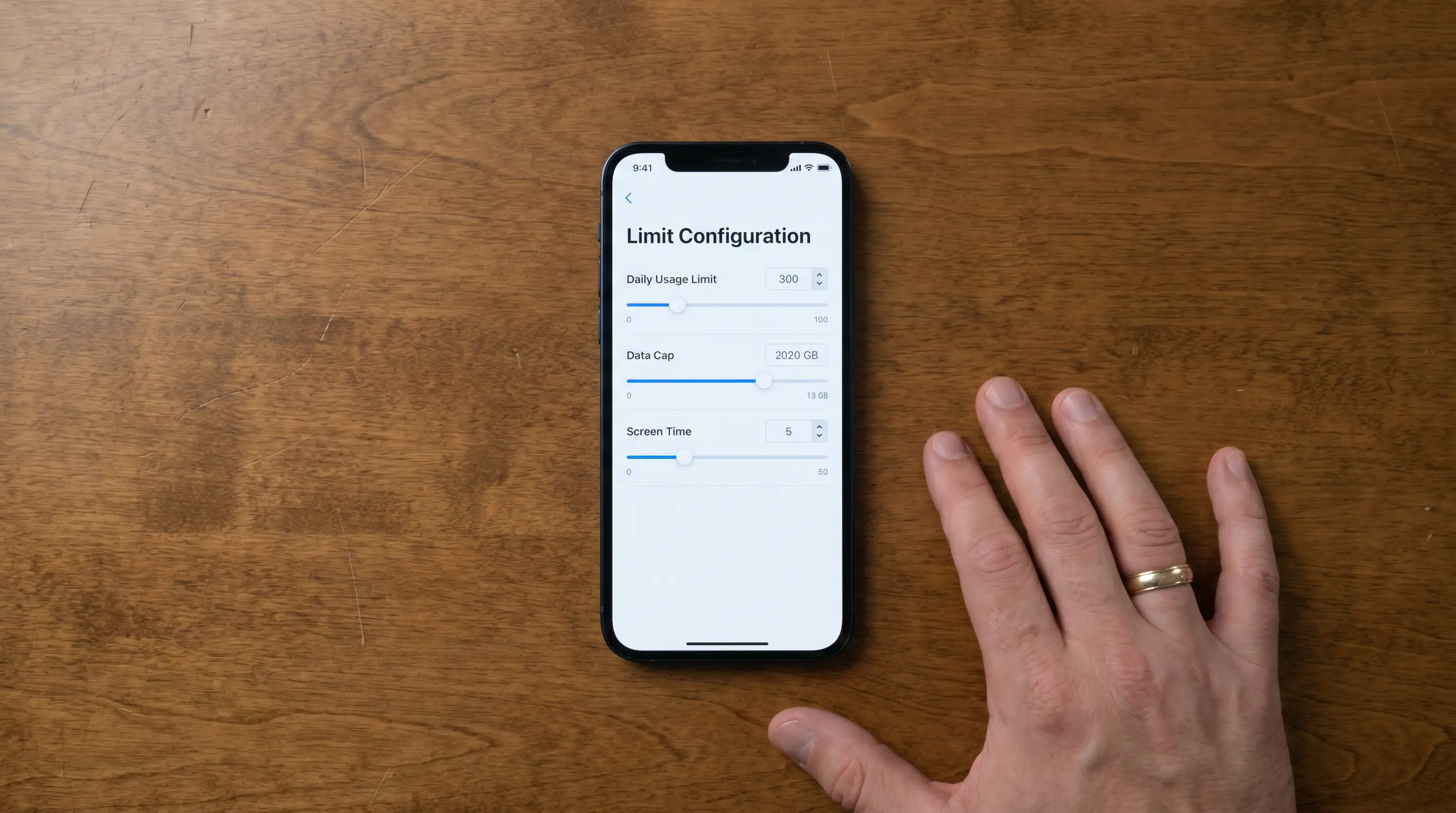
For your actual first bet, I suggest a single on a match result where you have a genuine opinion. Do not build an accumulator. Do not chase a long-odds correct score. Place a small, single bet on a match you have watched both teams play recently. If you win, great. If you lose, you have spent a small amount of money learning how the process feels without any structural disadvantage beyond the bookmaker’s normal margin.

Five Beginner Mistakes and How to Sidestep Them
Every experienced bettor has a catalogue of early mistakes. Here are the five I see most often, because I made all five myself.
The first is betting on your own team. I backed my side to win every week for an entire season and finished well in the red, not because they were bad but because the emotional attachment made me incapable of assessing their matches objectively. When your team lines up, you see hope. A neutral observer sees data. Bet on matches where you can think clearly, and watch your own team’s games for the joy of it.

The second is treating accumulators as your primary bet type. Accumulators are exciting because the potential payout is large, but the probability of winning a five-fold or six-fold is tiny. Bookmakers promote accumulators heavily because the margin compounds with every leg you add. Start with singles. If you want the thrill of a multi, limit it to a double or treble with a stake you have mentally written off as entertainment spending.
The third is ignoring the odds entirely and betting on “what you think will happen.” Odds represent probability. If you think a team has a 60% chance of winning and the odds imply 65%, there is no value in the bet even if you are right about the outcome. This concept — value betting — is the foundation of every profitable approach, and I have written about it in detail in the odds explained guide. For now, just know that being right about results is not the same as making money.
The fourth is chasing losses. You lose three bets in a row, so you double the stake on the fourth to “get it back.” This is the fastest path to an empty account. Losing streaks are mathematically certain over any meaningful sample, and the correct response is to stick to your predetermined stake size, not to increase it under pressure. If you feel the urge to chase, close the app and come back tomorrow.
The fifth is not keeping records. Every bet I place goes into a spreadsheet: date, fixture, market, odds, stake, result, profit or loss. Without this record, you have no way to know whether you are profitable, which markets suit you, or whether your approach is improving over time. It takes thirty seconds per bet. Start on day one and you will thank yourself six months later when you can see exactly where your money went.

The record-keeping habit feeds directly into bankroll awareness. Once you have four or five weeks of data, patterns emerge: which leagues you analyse best, which markets produce your highest strike rate, and — critically — how much you are actually spending versus what you budgeted. That feedback loop is what turns a casual punt into a structured approach, and it costs nothing beyond a few minutes of honesty with yourself each week.

How much money should I start football betting with?
Start with an amount you would be comfortable losing entirely — for most beginners, that is somewhere between 20 and 100 pounds. This is your learning bankroll, not an investment. Divide it into 20 equal units so each bet represents 5% of the total. Once you have placed 50 to 100 bets and reviewed your results, you will have a much better sense of whether to continue and at what level.
Do I pay tax on football betting winnings in the UK?
No. In the UK, betting winnings are not subject to income tax or capital gains tax for recreational bettors. The tax burden falls on the bookmaker through Remote Gaming Duty and General Betting Duty, not on the punter. This has been the case since 2001, when the government abolished the 9% betting duty on stakes.
What is the safest first football bet to place?
A single bet on the match result of a Premier League fixture where you have watched both teams play recently. Avoid accumulators, correct scores, and goalscorer markets until you understand how odds and margins work. Keep the stake small — one unit from your bankroll — and treat it as a learning experience rather than an attempt to make money.
