

 Available in US
Content
The Wild West of Football Tipping Lives on Telegram
Two years ago I spent a month infiltrating fifteen Telegram football tipping channels, free and paid, to see how they operated from the inside. What I found was depressing but predictable: twelve of the fifteen were running some version of the same scam, two were well-intentioned but unprofitable, and one – just one – had a genuinely tracked record that showed marginal profitability over a meaningful sample.
“Football betting” draws 19,000 monthly searches in the UK alone, and a growing share of that traffic ends up on Telegram rather than traditional tipping websites. The platform’s combination of anonymity, broadcast channels, and group messaging makes it ideal for tipsters who want to reach thousands of followers without the accountability that comes with a website, a business registration, or a verified track record. Football generates GGY of more than a billion pounds annually in the UK, and scam tipsters on Telegram skim money from that ecosystem by selling confidence instead of competence.
The Scam Playbook: Screenshot Faking, Guaranteed Wins and VIP Upsells
After my month inside those fifteen channels, I could map the scam playbook with precision. The same tactics recur across hundreds of Telegram tipster operations, and knowing them in advance is the best defence against losing money to someone who has never placed a profitable bet in their life.
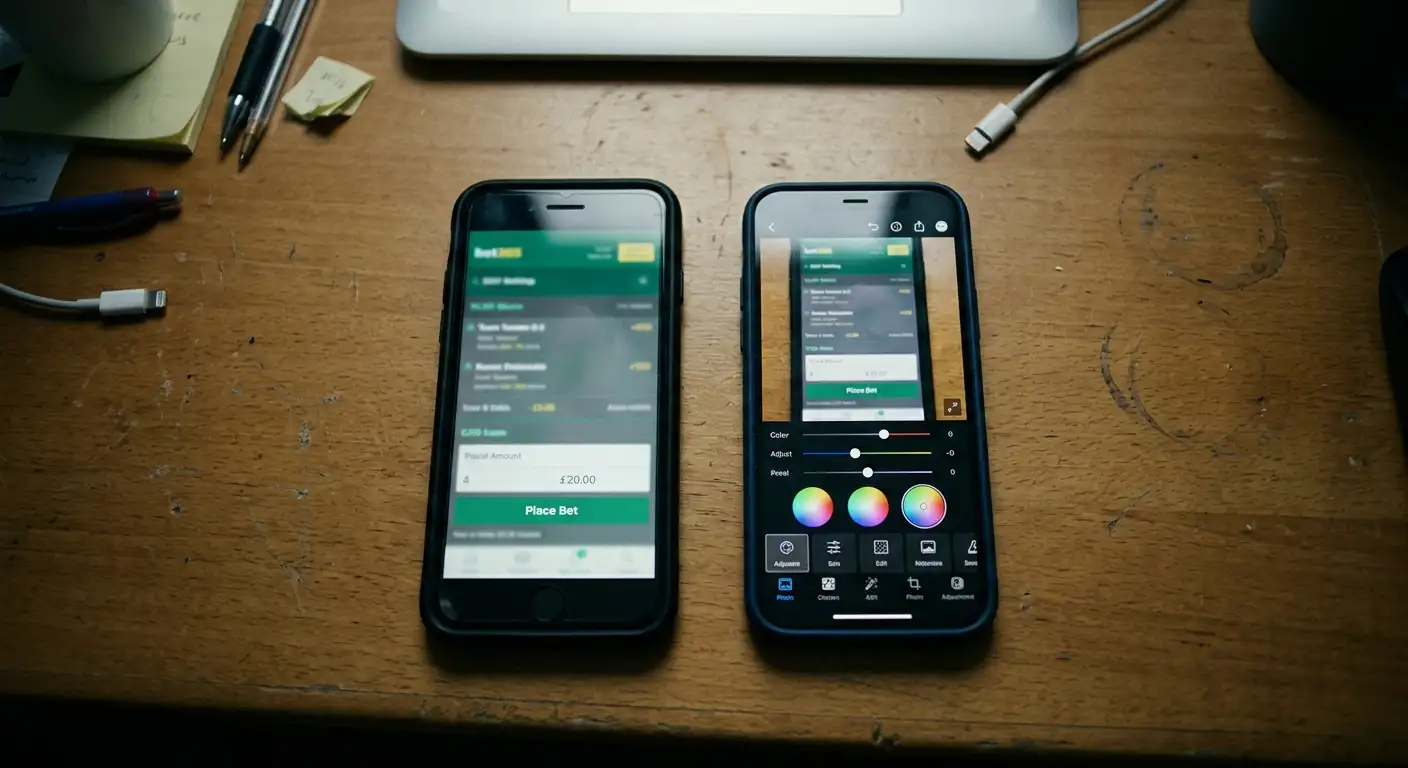
The first tactic is screenshot manipulation. A scammer posts a screenshot of a winning bet slip after the event, claiming they tipped it in the VIP group beforehand. The free channel only sees the winning screenshot – never the losing ones. Some go further, editing bet slips using readily available image tools to change odds, stake amounts, or outcomes. I saw one channel post a “winning” accumulator screenshot where the timestamp on the bet slip was two hours after the last match had finished. Nobody in the free channel noticed.
The second tactic is the two-channel split. The scammer creates two Telegram channels and sends opposite tips to each one. Channel A gets “back the home team,” Channel B gets “back the away team.” Whichever channel receives the winning tip is promoted; the losing channel is deleted or quietly abandoned. After a few rounds, one channel has a “perfect record,” and the scammer uses it to recruit paying subscribers. This is the classic coin-flip con dressed in football branding.
The third tactic is the VIP upsell funnel. The free channel posts a mix of obvious favourites and occasional winners, building enough credibility to drive followers toward a paid “VIP” group. Once inside the VIP, the quality of tips does not improve – the scammer’s real product is the subscription fee, not the betting edge. Monthly charges of thirty to one hundred pounds are common, and retention relies on the gambler’s fallacy: “the next tip will be the big winner.”
The fourth tactic is guaranteed-profit language. Any Telegram channel promising “guaranteed returns,” “no-loss systems,” or “100% win rate” is lying. No such thing exists in football betting. The bookmaker’s margin ensures that no strategy produces guaranteed profits, and anyone claiming otherwise is exploiting your desire for certainty to extract a subscription payment.

The fifth tactic is identity obfuscation. Legitimate businesses have names, addresses, and registration details. Telegram scam tipsters operate anonymously – no real name, no business registration, no verifiable identity. They can shut down a channel, create a new one under a different name, and start the same operation again within minutes. If you cannot verify who you are paying, you should not be paying them.

What a Trustworthy Telegram Channel Looks Like
The one channel out of fifteen that showed genuine profitability shared characteristics that were immediately distinguishable from the scam operations.
First, every tip was posted before kick-off with a timestamp, the recommended odds, and the bookmaker where those odds were available. No post-match screenshots, no retroactive claims, no ambiguity about when the tip was issued. The channel admin also posted losing tips with the same transparency – no deletions, no edits, no quiet weeks where the record disappeared.
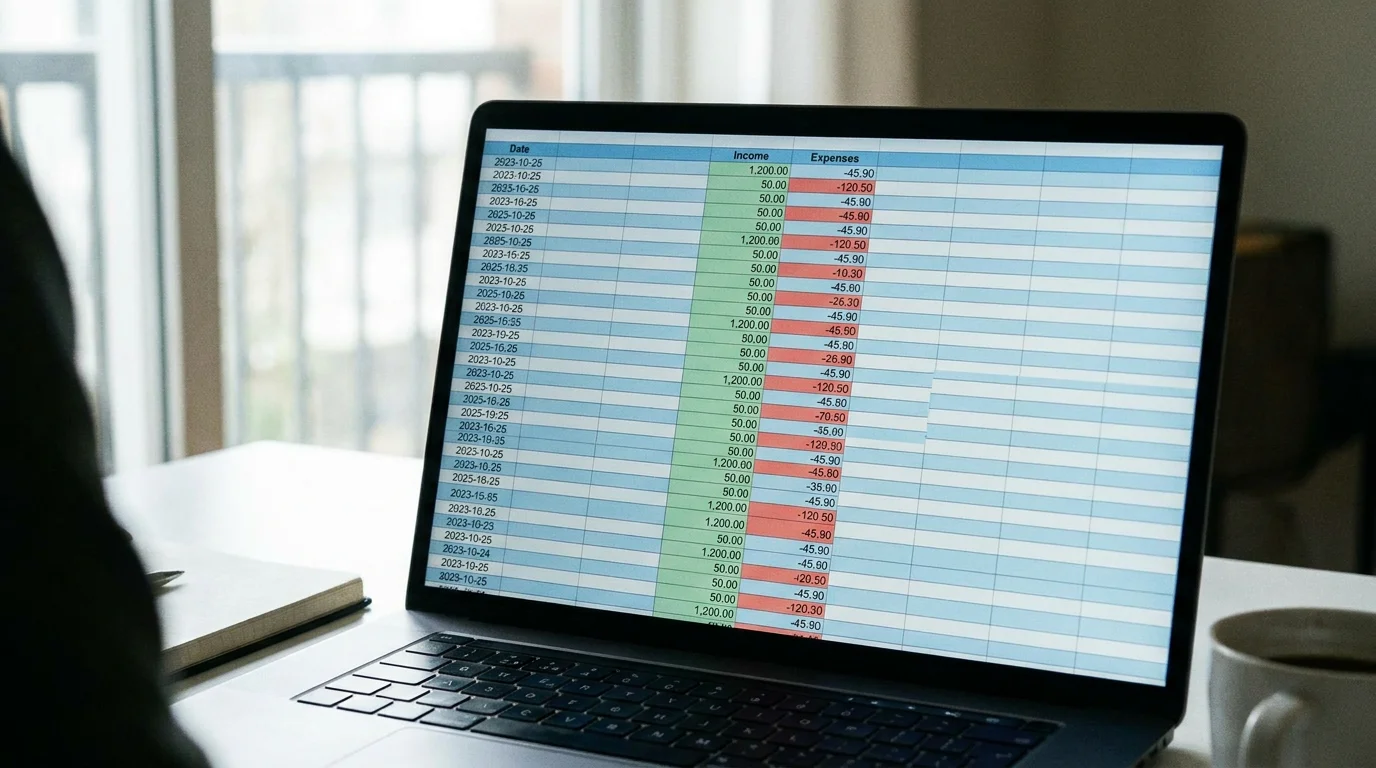
Second, the channel maintained a publicly accessible spreadsheet tracking every tip: date, match, market, odds, stake, result, and running profit/loss. Anyone could verify the record at any time. The spreadsheet showed losing months as clearly as winning ones, which is exactly what a genuine track record looks like – lumpy, uneven, and honest.
Third, the admin made no income promises. The channel description stated explicitly that betting carries risk, that past performance does not guarantee future results, and that the subscription fee should be considered an entertainment cost, not an investment. That kind of language is rare on Telegram, and its presence is a strong signal that the person running the channel understands the realities of football betting.
Fourth, the tip volume was moderate – three to five picks per week, not fifteen to twenty. High-volume tipping is a red flag because it suggests the tipster is padding their record with low-confidence selections to create the appearance of activity. Genuine edges in football betting are rare and concentrated; a tipster posting twenty picks a week either has an impossibly broad edge or is compensating for poor selection with volume.
Fifth, the channel had been running consistently for more than two years. Scam operations rarely last that long – the business model depends on recruiting new followers before the old ones realise the tips are unprofitable, and that cycle typically burns out within six to twelve months. Longevity alone does not prove profitability, but it does filter out the short-term scam operators who make up the majority of Telegram’s football tipping ecosystem.
If you are evaluating any tipster – on Telegram or elsewhere – the same verification principles apply. The tipster track record guide covers the statistical standards a genuine record should meet before you spend a penny on a subscription.

Are paid Telegram football tipster channels worth the money?
The vast majority are not. In my direct experience auditing fifteen channels, only one showed verified profitability over a meaningful sample. Even that channel’s edge was slim enough that the subscription cost consumed a significant portion of the expected profit unless you were staking at relatively high levels. Before paying for any Telegram tipster, demand a publicly accessible, independently verified track record covering at least 500 bets. If it does not exist, your money is better kept in your bankroll.
How do fake tipsters manipulate screenshots on Telegram?
The most common methods are posting bet slip screenshots after the event has finished, editing images to change odds or outcomes using basic photo editing tools, running parallel channels with opposite tips and promoting only the winning one, and deleting losing tips from the channel history. Telegram’s channel structure makes deletion particularly easy because followers receive messages in real time but rarely scroll back to check historical accuracy. Always demand a live, timestamped record rather than relying on screenshots.
