

 Available in US
Content
Why Champions League Matches Aren’t Just Another Tuesday Fixture
I learned this lesson in my second season of serious betting. I applied my standard Premier League model to a Champions League group match, backed the home favourite at what looked like a fair price, and watched them lose to a side from a league I barely followed. The problem was not the bet itself — it was that I treated the fixture like a domestic match when the dynamics were entirely different. European football operates under a different set of pressures, and the odds reflect those pressures in ways that domestic models miss.
The European sports betting market turns over more than 40 billion euros annually, and the Champions League is its flagship product. Every bookmaker sharpens their Champions League prices because the volume demands it, but the competition’s structure — teams from different leagues meeting in unfamiliar contexts — introduces pricing complexity that domestic markets do not face. That complexity is where the analytical bettor finds room.

New Format, New Angles: League Phase and Knockout Dynamics
The revamped Champions League format, with its 36-team league phase replacing the traditional group stage, fundamentally changed the betting landscape. More matches, more permutations, and more dead rubbers in the final two matchdays create a different risk-reward profile than the old four-team groups.
In the league phase, every team plays eight matches against eight different opponents. The motivation structure is layered: the top eight qualify automatically for the knockout rounds, positions nine through twenty-four enter a playoff round, and the bottom twelve are eliminated. That creates three distinct motivation bands, and the betting edges differ in each. Teams sitting comfortably in the top eight have less incentive to push for a win in their final league-phase match, while teams hovering around the qualification line are desperate. The bookmaker’s margin on Champions League matches sits at the lower end of the 4-7% range typical of football, often compressing to around 3% on marquee ties. But the motivation adjustment — or lack of it — is where I find the most value.
I track each team’s league-phase position and qualification scenarios before the final two matchdays. In the old group-stage format, dead rubbers were limited to a handful of fixtures. The expanded league phase generates far more scenarios where qualification is already settled, and bookmakers do not always reprice these matches aggressively enough to reflect the likely squad rotation and reduced intensity.
Knockout rounds shift the dynamic again. Over two legs, the away-goals rule no longer applies, which has changed how managers approach first legs. The old incentive to score away from home and accept a draw has been replaced by a more cautious approach: protect the clean sheet, avoid conceding, and rely on the home advantage in the return leg. I have observed a measurable decline in first-leg goal totals since the rule change, and the under 2.5 goals line in Champions League first legs has been a quiet but consistent winner in my records.

Pricing Mismatches When Teams From Different Leagues Collide
This is the Champions League’s unique analytical challenge. When two Premier League sides meet in a domestic fixture, the bookmaker has an enormous dataset: head-to-head records, shared opponents, consistent match conditions. When a Premier League side meets a team from the Portuguese or Dutch league, the shared data thins dramatically.
Sean Connell, editor of The Sponsor, noted the financial impact of gambling’s relationship with Premier League clubs — how shirt sponsorship revenue worth $129.6 million came from gambling brands alone in 2025/26. That financial ecosystem means Premier League clubs attract more analytical attention, more data, and therefore more efficient pricing in domestic competition. In the Champions League, that efficiency advantage partly evaporates because the opponent comes from a different data ecosystem.

The practical implication: bookmakers rely more heavily on coefficient rankings, squad market values, and general reputation when pricing cross-league fixtures. These proxies are decent but imperfect. A Dutch side sitting in a lower coefficient band but overperforming their xG in the Eredivisie is likely underpriced in the Champions League. A Serie A club with a fearsome defensive reputation but declining underlying numbers may be overpriced. The gap between reputation-based pricing and performance-based pricing is wider in the Champions League than in any domestic league.
I exploit this by building my own power ratings based on domestic xG data and adjusting for the cross-league context. The adjustment is crude — I add a small bonus for experience in the competition and a penalty for travel distance and fixture congestion — but even a simple model outperforms the bookmaker’s reputation-based starting point on a surprising number of fixtures. The gap is widest in the early league-phase rounds, when the market has the least current-season Champions League data to work with and relies most heavily on priors.
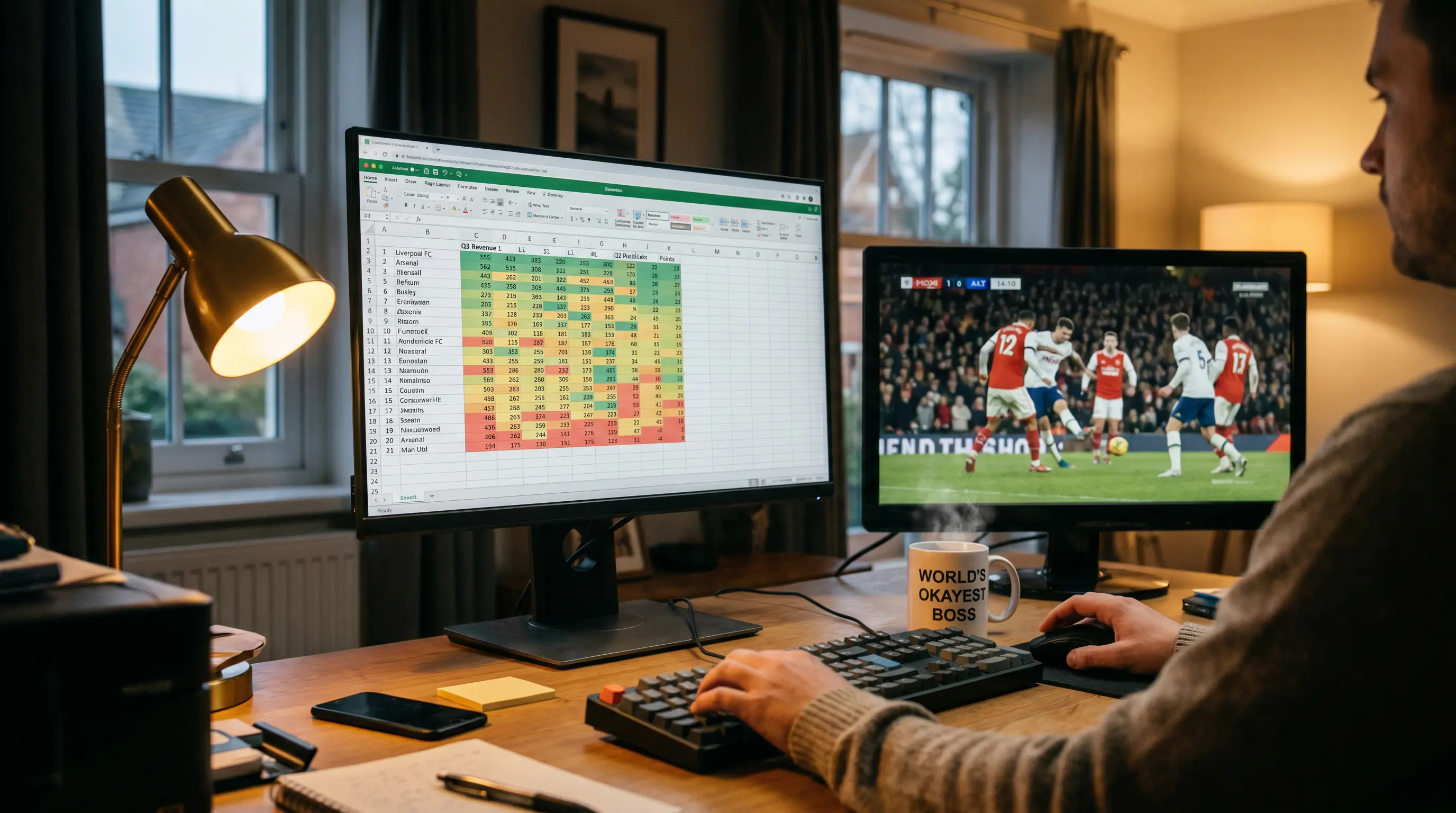
One final pattern: English clubs playing European away matches on a Wednesday after a demanding Premier League fixture the previous Saturday are consistently overpriced. The market expects them to perform to their domestic level, but fatigue, travel, and unfamiliar atmospheres produce results that fall below that expectation with regularity. Backing the home side or the draw in these scenarios has been one of my steadiest edges in Champions League betting over the past four seasons. For a primer on how to read odds in these situations, the Premier League betting analysis covers the domestic efficiency that the Champions League format disrupts.

Do margins tighten for Champions League finals?
Yes, significantly. The Champions League final attracts the highest betting volume of any club fixture worldwide, and bookmakers compete aggressively for that flow. Margins on the three-way match result can compress to 2-3%, compared with 4-5% on a standard league-phase match. That makes the final one of the fairest-priced football fixtures of the year — but it also means any edge you identify is smaller in absolute terms.
Are home teams more overpriced in Champions League group matches?
In my analysis, home sides in the league phase are slightly overpriced compared with domestic home teams. The Champions League’s international nature means the home-advantage effect varies widely — a hostile atmosphere in Istanbul produces a very different home edge than a half-empty stadium in an early-round match. The bookmaker often applies a standard home-advantage adjustment that does not account for this variation, creating pockets of value on away sides and draws in quieter league-phase fixtures.
