

 Available in US
Content
The Most Watched, Most Bet-On League in the World
I remember my first profitable month in football betting. It came from the Championship, not the Premier League, and the reason was simple: I had been trying to outsmart the most efficiently priced league on the planet. Remote betting generated GGY of £2.6 billion in the year to March 2025, with football accounting for £1.3 billion of that. A disproportionate share flows through Premier League markets, which means more money, more data, and tighter odds than any other domestic competition.
That does not mean the Premier League is unbettable. It means you need a different approach than you would use for a less scrutinised league. The bookmaker’s pricing models for a Saturday 3pm Premier League kick-off are among the sharpest in all of sport. Finding an edge requires granular analysis, not general opinions. Eleven Premier League clubs carried gambling sponsors on their shirts in the 2025/26 season — the industry’s investment in the league reflects just how central it is to the UK betting ecosystem.
How Efficient Are Premier League Odds?
Market efficiency in betting terms means how closely the odds reflect the true probability of each outcome. A perfectly efficient market offers no value to any bettor — the only winner is the bookmaker’s margin. The Premier League is not perfectly efficient, but it is closer to efficient than any other football league I have encountered in nine years of analysis.
The efficiency comes from liquidity. Every Premier League match attracts serious money from syndicates, recreational bettors, and algorithm-driven operators. That volume of diverse opinion pushes prices toward their “correct” level quickly. When a team’s odds open on Monday morning, the initial price is already well-informed. By kick-off on Saturday, the market has absorbed team news, training ground whispers, and millions of pounds of money flow. The price at kick-off is hard to beat.
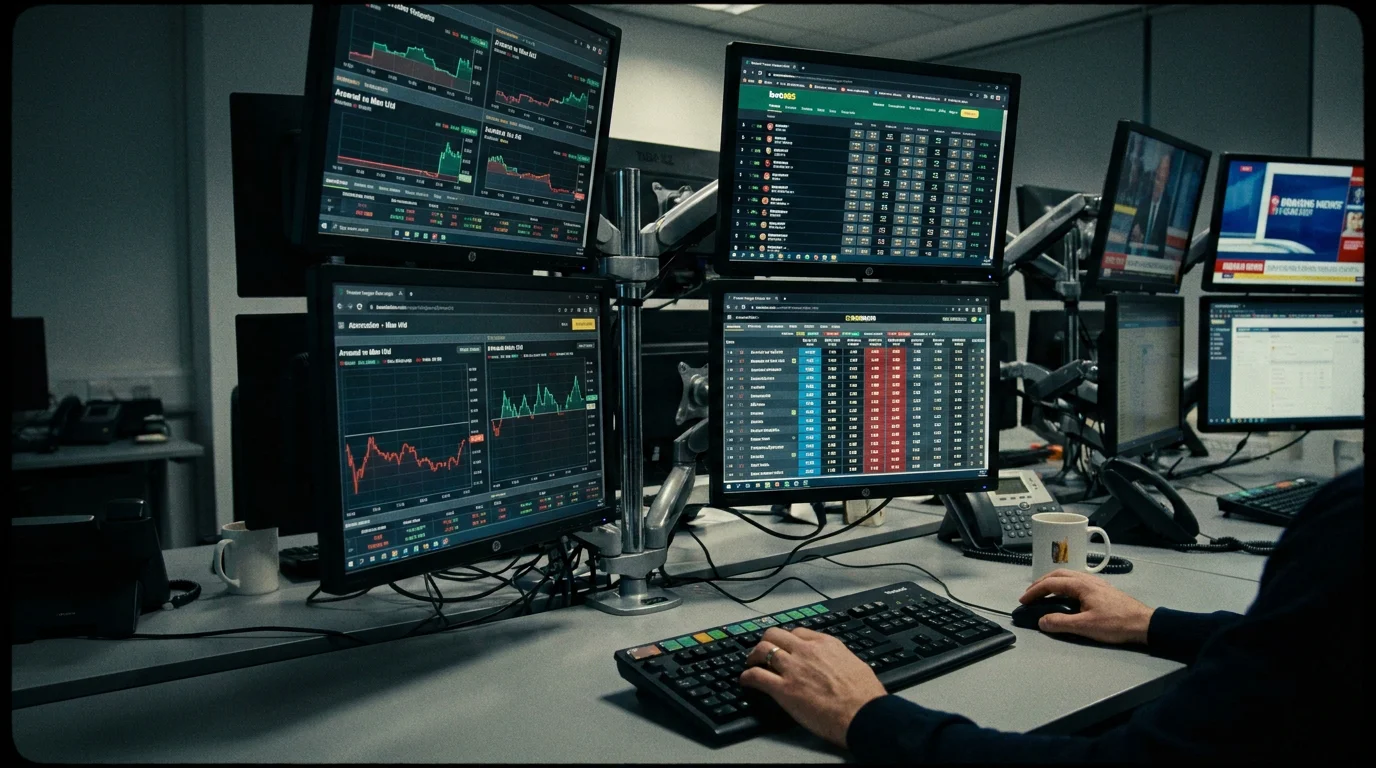
Where inefficiency survives is in the gaps between what the market knows and what the market prices. The market knows that a given team is likely to win. What it sometimes misprices is the margin of victory, the goal timing, or the performance of specific players within a match that the headline result does not capture. These second-order markets — Asian handicaps, player props, booking points — are where the Premier League bettor finds room to breathe.
I track my own results by market type within the Premier League, and the data is clear. My ROI on three-way match result bets across four seasons is essentially flat — marginally positive in two seasons, marginally negative in two. My ROI on Asian handicaps is consistently positive, and my best returns come from player-level markets where the pricing is less refined. The lesson: compete where the bookmaker’s model has the most room for error, not where it is strongest.

Pockets of Value: Promoted Sides, Mid-Table Drifters, Late Season
Even in a sharp market, there are recurring structural patterns that create betting opportunities. I have identified three that show up season after season.
Promoted sides in August and September are consistently mispriced. The market tends to underrate teams that earned promotion through strong underlying numbers rather than just results. A side promoted via the playoffs with an xG profile that ranked in the top four of the Championship is often priced as cannon fodder in their opening Premier League fixtures, when in reality they are competitive for the first eight to ten games before the squad depth deficit kicks in. I bet against the market consensus on promoted sides early in the season, focusing on the match result and Asian handicap markets where the pricing gap is widest.

Mid-table teams in January through March are the second pocket. Once a side is mathematically safe from relegation but out of European contention, the market sometimes prices them as if they have stopped trying. In practice, mid-table teams with settled squads and no fixture congestion often perform above their pre-season expectation during this window. Their players are fresh, their managers are experimenting with young talent, and the motivation deficit the market assumes does not materialise until the final three or four games of the season.
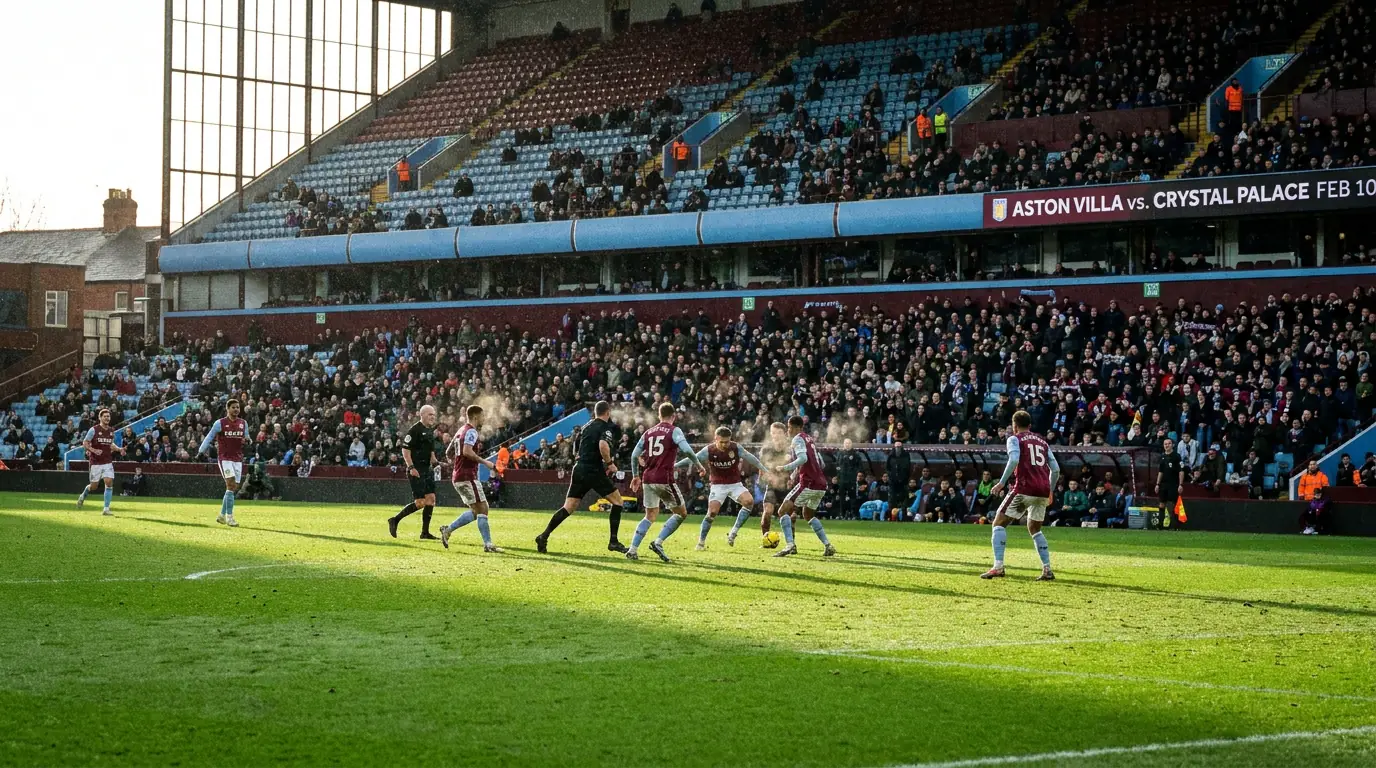
The third pattern is late-season dead rubbers involving top-six sides who have already secured their Champions League place. These matches attract heavy public money on the established big club, but the manager frequently rotates, the intensity drops, and the lower-placed opposition plays with the freedom that comes from having nothing to lose. I have found consistent value in backing the underdog or the draw in these end-of-season fixtures, particularly on the Asian handicap where the line often does not fully adjust for the expected rotation.

None of these patterns is a guaranteed winner in any individual match. They are tendencies observed over multiple seasons, and tendencies are what systematic bettors exploit. The key is patience: these pockets of value do not appear every weekend, and forcing bets when the conditions are not right erases whatever edge the pattern provides. I keep a calendar note for each phase — early August for promoted sides, January for mid-table opportunities, late April for dead rubbers — and increase my focus during those windows while reducing activity during the mid-season grind where the market is sharpest.
One more angle worth mentioning: the post-transfer-window adjustment period. When a club makes significant January signings, the market often overreacts in the first two or three matches, pricing the strengthened squad as though the new arrivals have already integrated. In practice, new signings need time to learn their teammates’ movement, the manager’s system, and the rhythm of a different league. I have found value in fading the immediate market reaction to January transfers and waiting for the third or fourth match before adjusting my own assessments. If you want to see how these same dynamics play out in a less efficient market, the Championship betting guide covers a division where the pricing gaps are wider and the opportunities more frequent.

Are Premier League odds tighter than lower-league odds?
Yes, significantly. The bookmaker margin on a Premier League three-way match result typically sits at 4-5%, compared with 5-7% in the Championship and 6-8% in League One and League Two. Tighter margins mean less room for the bookmaker but also less room for your analysis to be imprecise. The trade-off is sharper pricing against sharper competition — lower leagues offer wider margins but also less efficient odds, which creates more exploitable mispricings.
When in the season is Premier League betting most profitable?
In my experience, the early weeks of the season and the final month produce the most value. Early season because the market is still calibrating to summer transfers, managerial changes, and promoted sides. Late season because squad rotation, motivation differentials, and dead rubbers create mispricings that the market only partially adjusts for. The mid-season window from November to February tends to be the most efficiently priced period.
