

 Available in US
Content
2026/27: The Last Season With Gambling on the Front of Shirts
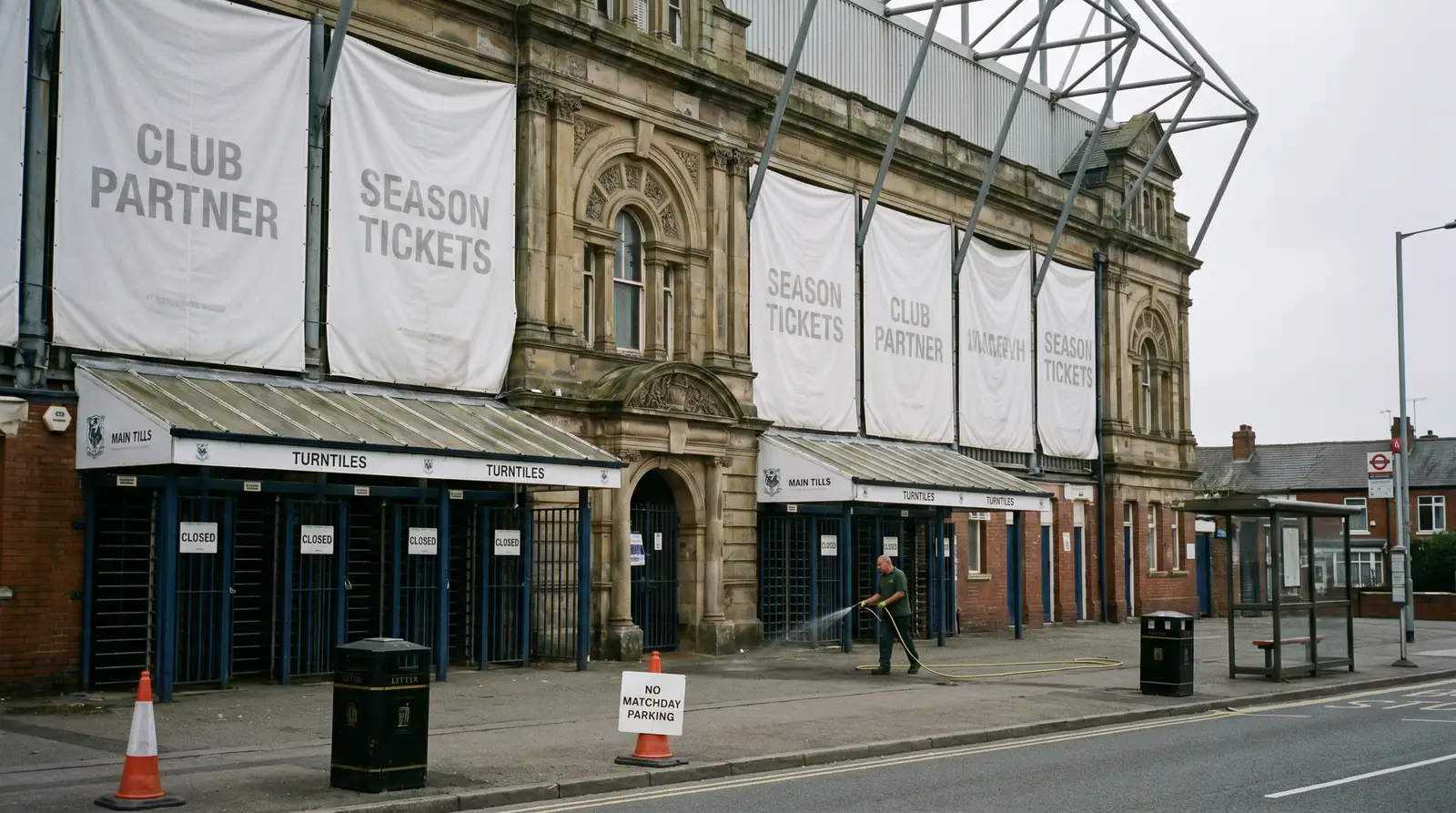
Walk through any Premier League stadium on a matchday and count the gambling logos. They are on the shirts, the LED boards, the programme adverts, and the half-time screen. For more than a decade, gambling brands have been among the biggest spenders in English football sponsorship. That era is ending. The ban on gambling logos appearing on the front of Premier League shirts takes effect from the 2026/27 season, and it represents the most visible shift in the relationship between football and betting in a generation.
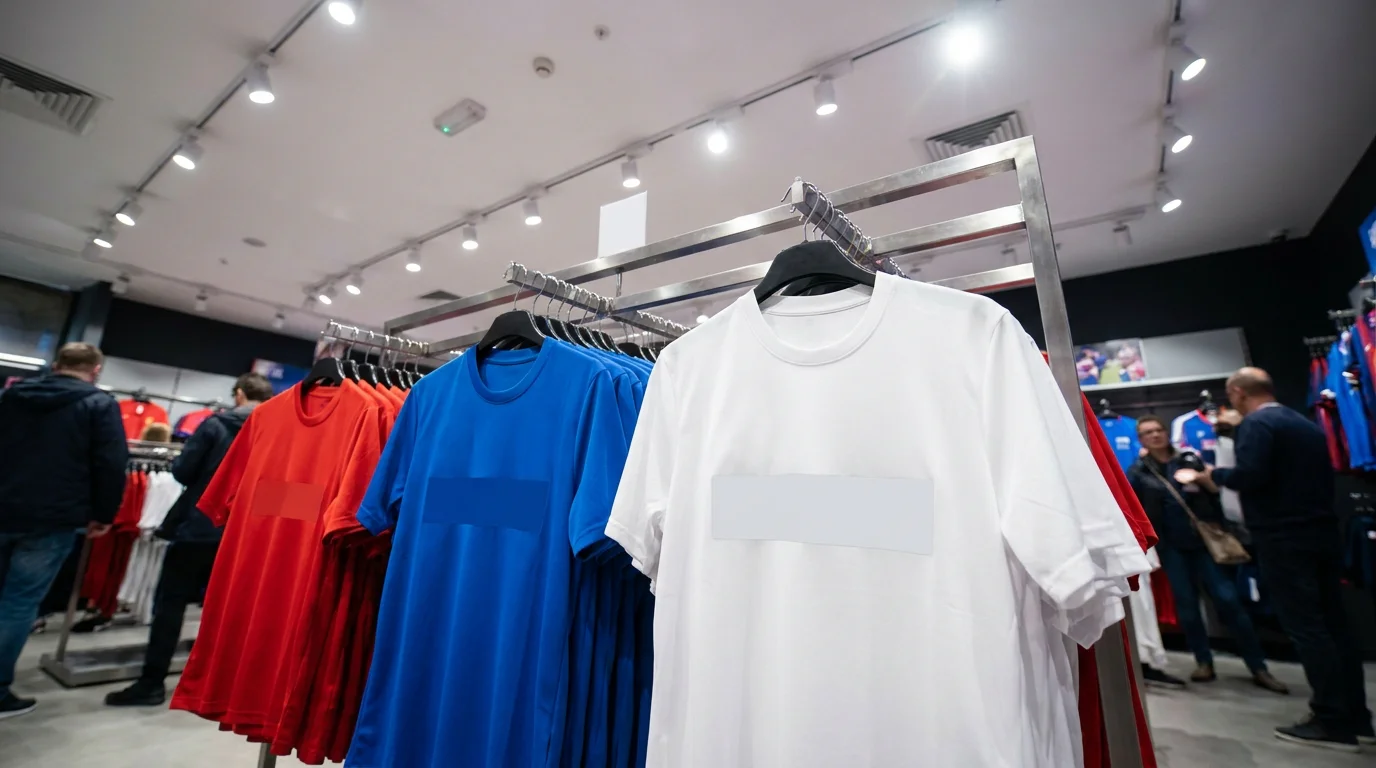
In 2025/26, eleven Premier League clubs carried gambling sponsors on the front of their shirts. The front-of-shirt sponsorship market across the Premier League was worth $525.4 million that season, with gambling brands accounting for $129.6 million of that total. Those numbers give you the scale of what clubs are being asked to replace – and why the transition is proving difficult for some.
The ban did not arrive overnight. It followed years of public debate, parliamentary scrutiny, and a voluntary industry agreement that ultimately proved insufficient. The Gambling Act reform process, the growing body of research on gambling-related harm, and shifting public attitudes all contributed. Campaigns by parliamentarians, researchers, and former problem gamblers built sustained pressure that neither the clubs nor the operators could indefinitely resist.
But the practical question for clubs, bettors, and the industry is not why it happened – it is what happens next. The financial, commercial, and competitive ripple effects are still unfolding, and they will shape English football’s commercial landscape for the rest of the decade.
What Clubs Stand to Lose – and How They’ll Compensate
The financial hit is not evenly distributed. Top-six clubs with global brand appeal will find replacement sponsors relatively easily – technology companies, airlines, and financial services firms are already circling. The problem is acute for mid-table and lower-half clubs whose commercial appeal is more limited.
Sean Connell, editor of The Sponsor, estimated that clubs with gambling sponsors stand to lose an average of 38% of their front-of-shirt sponsorship value when forced to replace these deals with non-gambling brands. For a club receiving ten million pounds a year from a gambling sponsor, that translates to a replacement deal worth roughly six million. The gap is significant in a league where squad building and wage bills are tightly linked to commercial revenue.
By April 2026, up to nine Premier League clubs had not confirmed front-of-shirt sponsorship deals for the 2026/27 season. That uncertainty is itself telling – it suggests the replacement market is slower to materialise than many in the industry anticipated. Some clubs are exploring creative alternatives: sleeve sponsorship with gambling brands remains permitted for now, as do stadium naming rights and training kit deals. The ban is specifically on the front of match-day shirts, not on the broader commercial relationship between clubs and gambling companies.
The clubs that will navigate this best are those with the strongest international fanbases and the most diverse commercial portfolios. The clubs that will struggle are those most dependent on a single large gambling sponsor – typically the mid-table sides whose on-pitch performances do not generate the kind of global exposure that premium sponsors demand. For some, the gap between the old gambling deal and the new replacement may take two or three seasons to close, during which time their transfer budgets and wage structures will feel the squeeze.
Could Fewer Promotions Mean Worse Odds for Punters?
Here is the angle most coverage of the sponsorship ban misses: what does it mean for the person placing bets? The answer involves a chain of commercial logic that is worth tracing.
Gambling companies sponsor football clubs primarily as a marketing tool. The shirt logo drives brand awareness, which drives customer acquisition, which drives revenue. When that marketing channel closes, companies need to acquire customers through other means – digital advertising, social media, affiliate marketing, or enhanced promotions. Each of these channels has a different cost structure, and some are more expensive per acquired customer than shirt sponsorship.
If customer acquisition costs rise, operators have two options: absorb the cost and accept lower margins, or pass it on to customers through tighter odds or reduced promotional offers. The Remote Gaming Duty increase from 21% to 40% from April 2026 is already squeezing operator margins, which makes option one less viable. The more likely outcome is a gradual tightening of promotional generosity – fewer free bet offers, lower acca boosts, and stricter terms on new-customer promotions.

I have already noticed this shift in the early months of 2026. The enhanced-odds offers that were routine two years ago are less frequent and carry more restrictive conditions. Acca insurance thresholds have crept upward. Welcome bonuses have shrunk. None of this is dramatic enough to make headlines, but the cumulative effect on a bettor who relied on promotional value to supplement their edge is real.
The silver lining, if there is one, is that a less promotion-driven market rewards genuine analytical skill more than promotional arbitrage. When everyone has the same thin margins and few bonus offers to exploit, the bettor who can consistently identify value in the odds has a structural advantage over the bettor who was relying on free bets to stay afloat. The era of easy promotional profit is ending; the era of data-driven edge, if it ever fully arrives, may be just beginning.
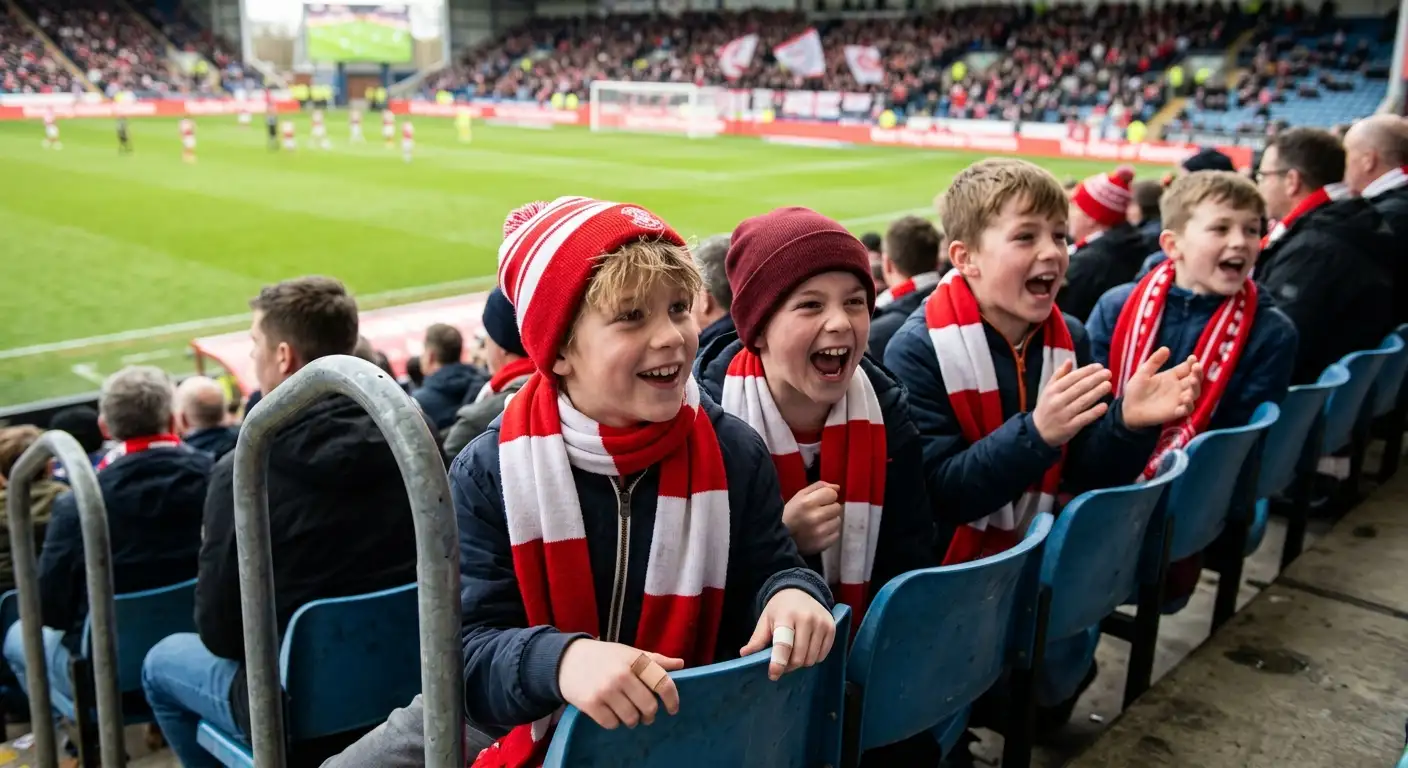
There is also a public health argument worth acknowledging. Gambling logos on the shirts of teams watched by millions of children normalise betting in a way that other advertising channels do not. The ban, whatever its commercial consequences, removes the most visible link between the sport children play in the park and the industry that profits from adult wagering. Whether that leads to measurably lower gambling harm remains to be seen, but the direction of travel is clear: the regulatory environment is tightening, and the relationship between football and gambling is being redrawn on terms the industry did not choose. For a broader view of how tax and regulatory changes are reshaping the UK betting landscape, the regulation guide covers the full picture.
Will the gambling sponsorship ban reduce free bet offers?
The ban itself does not directly affect free bet offers, but the broader commercial pressures it represents – combined with the Remote Gaming Duty increase – are likely to reduce promotional generosity over time. Operators facing higher taxes and fewer marketing channels will look to cut costs, and promotions are among the first areas to be trimmed. Expect tighter terms, smaller bonuses, and fewer enhanced-odds offers across the board.
Which clubs are most affected by the shirt sponsorship ban?
Mid-table and lower-half Premier League clubs are most exposed. Top-six clubs with large international fanbases can attract premium replacement sponsors from technology, finance, and airline sectors. Clubs outside the top six, particularly those without strong global brands, face a harder sell to non-gambling sponsors and may see their front-of-shirt deals drop by a third or more in value compared to their previous gambling partnerships.
